
Beginner Blogger Guide: Start a Profitable Blog in 2026
Start your blogging journey with this 2026 beginner blogger guide. Learn how to launch, use AI tools for content, and reach $500/month in revenue.
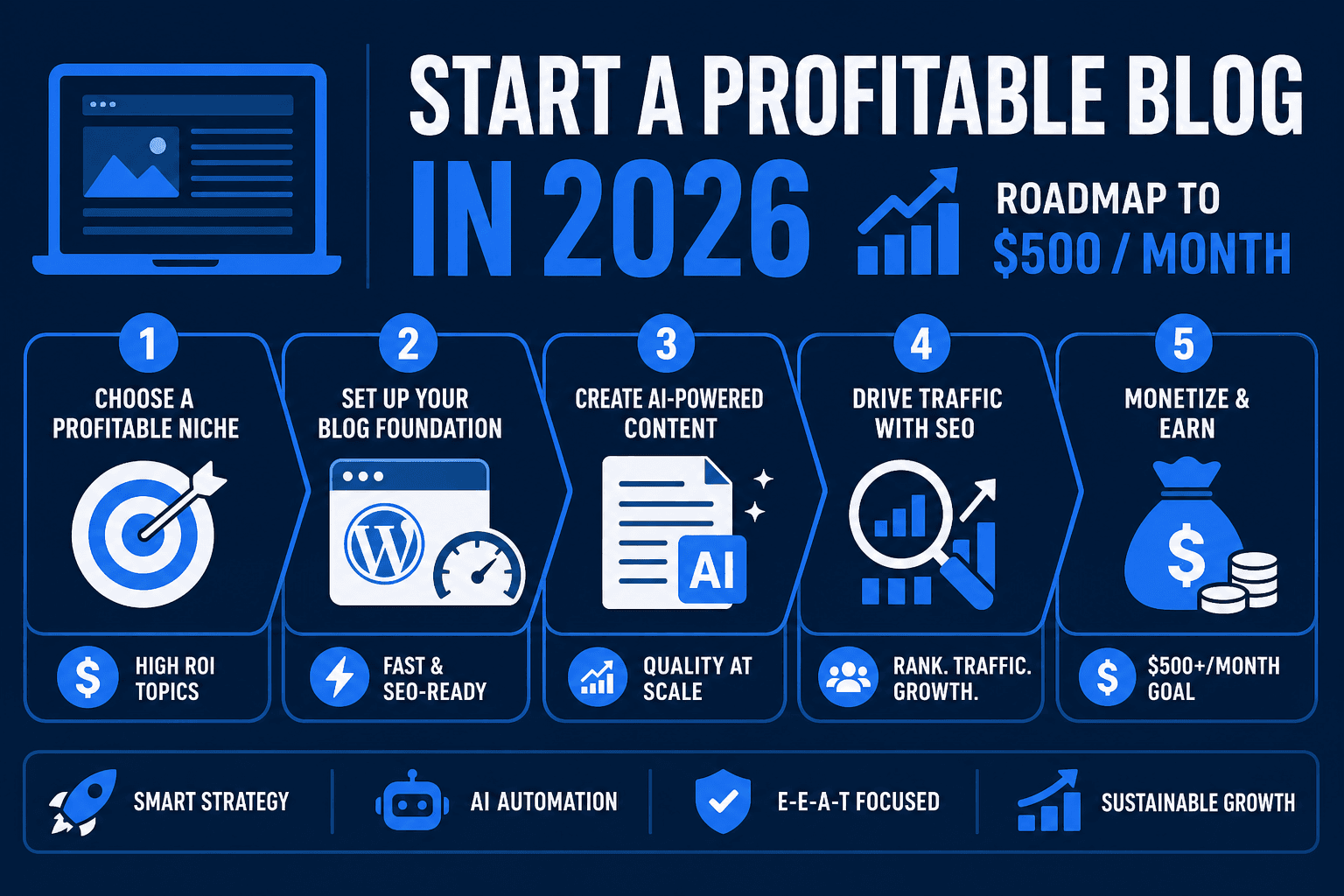
You can start a profitable blog today by combining traditional SEO with modern AI automation. This guide provides a step-by-step framework to go from zero to your first $500 in monthly revenue. By focusing on high-ROI niches and smart tool selection, a new creator can outpace established sites that rely on manual, outdated workflows. This roadmap has been fully updated for April 2026 to account for the latest shifts in generative search and AI-driven traffic patterns.
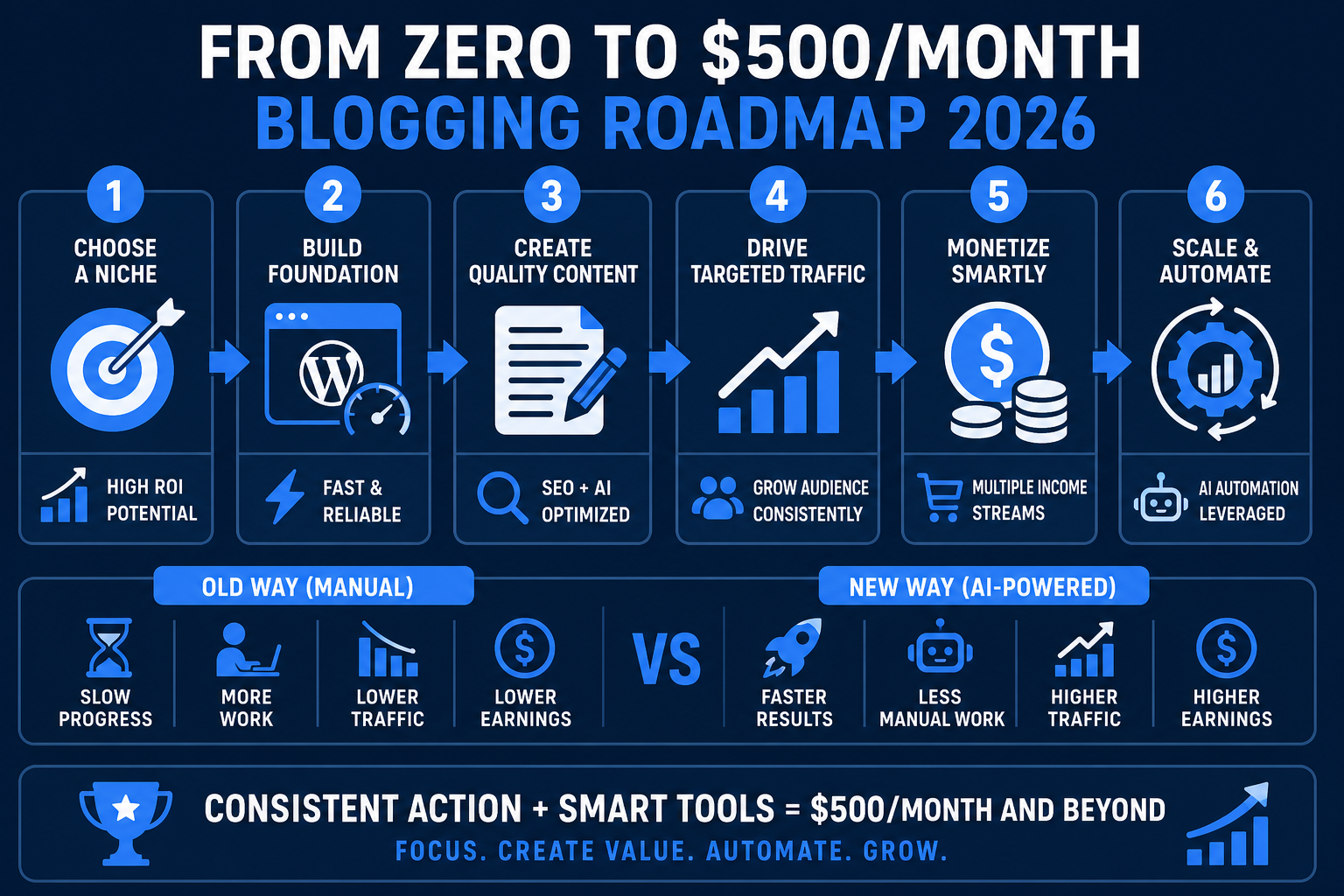
Choose a Niche with High Monetization Potential
Selecting a specific niche is the most critical decision for a new creator because it dictates your future traffic quality and ad rates. While general lifestyle blogs struggle to gain traction, "micro-niches" allow you to become an authority quickly. Search engines prioritize "Experience, Expertise, Authoritativeness, and Trustworthiness" (E-E-A-T), meaning your chosen topic should ideally overlap with your professional background or a documented personal hobby.
To validate your niche, check the potential for affiliate earnings and display ad CPMs (cost per mille). For instance, finance and technology niches often command $20-$40 CPMs, whereas hobby niches might sit closer to $5-$10. According to recent 2025-2026 industry benchmarks, blogs focused on "AI SaaS Tutorials" are currently seeing conversion rates 3x higher than general tech news. Use tools like Google Trends to ensure interest in your topic is steady or growing rather than declining.
Set Up a Technical Foundation for Speed
Your blog needs a self-hosted platform like WordPress.org to ensure you own your content and can monetize it without restrictions. Avoid "free" platforms like Medium or Wix for your primary home; they limit your ability to run ads or install custom plugins. A reliable hosting provider like Ampere ensures your site loads in under two seconds, which is a key ranking factor for mobile searchers.
Once your hosting is active, install a lightweight theme (like GeneratePress or Astra). For those looking to add interactive elements, CustomGPT.ai allows you to index your own blog posts and create a custom site assistant that answers reader questions in real-time. This increases "time on page," a metric that signals high value to search engines. If you want to accelerate this build, explore how to make money with AI to find automation workflows for your initial site setup.
Create Data-Driven Content with AI Assistance
Content creation is no longer about writing what you "feel" like; it is about answering specific user queries found through keyword research. Use tools like LowFruits or AnswerThePublic to find "Zero Volume" keywords—highly specific questions that tools often miss but real humans ask.
When drafting, aim for "Information Gain"—adding new perspectives or unique data. For example, if writing a review, include a table of original testing results or a 15-second video clip. AI tools can assist in drafting, but human oversight is mandatory to avoid the "generic AI voice." To stand out, repurpose your written articles. Murf.ai can convert your blog posts into high-quality audio files, allowing you to capture traffic from podcast platforms. Mastering ChatGPT for content creation is essential here to ensure your output remains high-quality and original.
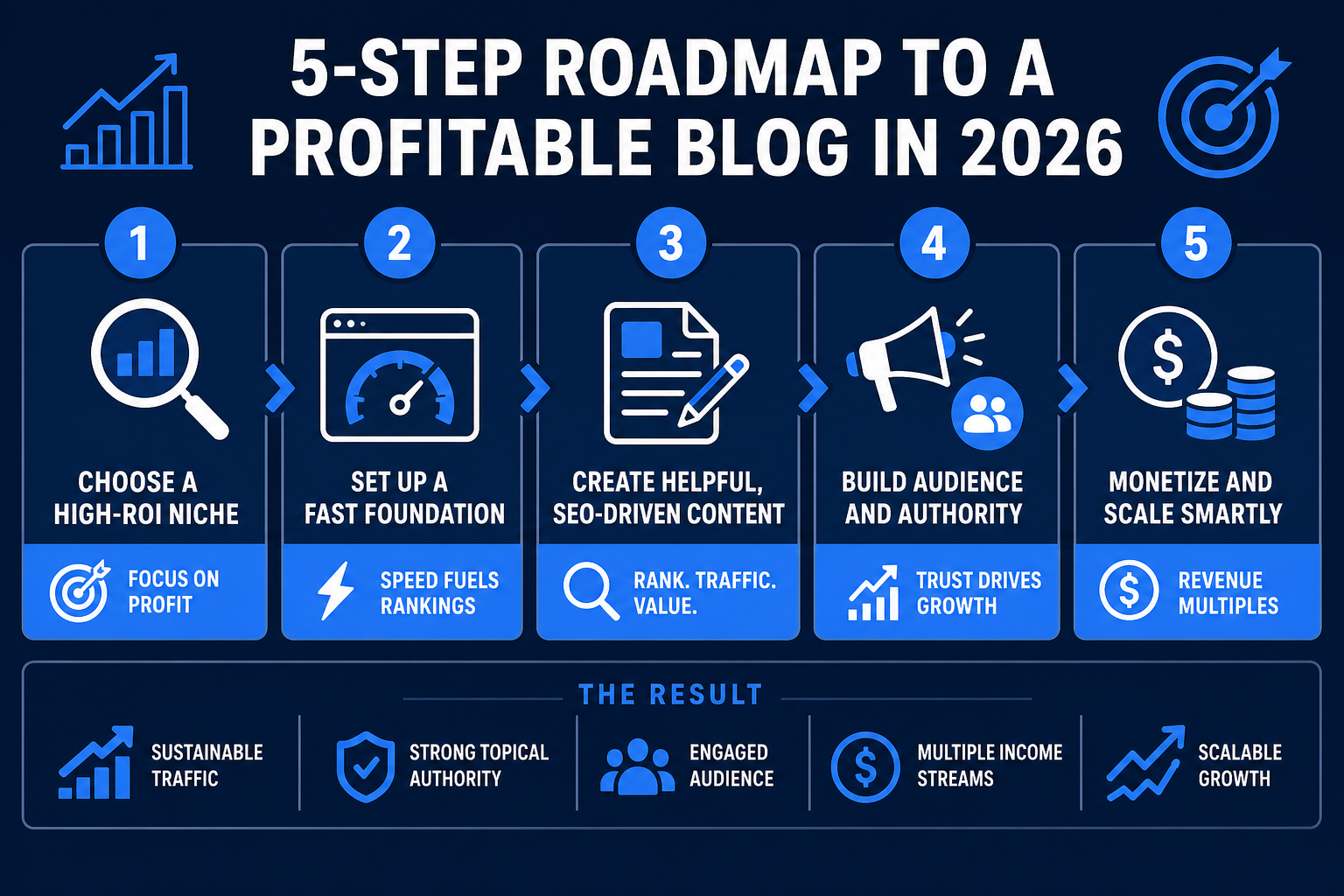
Master On-Page SEO and Internal Linking
Search engine optimization ensures your blog posts are discoverable. Every post should target one primary keyword. Place your main keyword in the first 100 words, the H1 title, and at least one H2 subheader. However, in 2026, you must also optimize for GEO/generative engine optimization to ensure AI Overviews cite your site as a source.
Internal linking is the "secret sauce" of site authority. Every time you publish a new post, link back to 2-3 older, relevant articles. This keeps readers on your site longer and passes "link juice" throughout your domain. For more advanced strategies on scaling your traffic, read our guide on AI side hustle ideas to see how to cross-promote different revenue-generating pages.
Implement Multiple Revenue Streams Early
Diversifying your income prevents your business from collapsing if one platform changes its rules. Most successful creators combine display ads (like Mediavine or Raptive) with affiliate marketing. You should join AI affiliate programs early on, as these often offer recurring commissions—meaning you get paid every month the customer stays subscribed.
If you have specialized knowledge, selling digital products online is the fastest way to reach $500/month. You can host and sell guides or templates via Gumroad. While an ad-supported site might need 25,000 visitors to make $500, a site selling a $47 digital product only needs 11 sales to reach that same goal.
Promote Content to Build Initial Authority
You cannot rely solely on Google traffic when you first start. Active promotion on platforms like X (Twitter) helps "signal" to search engines that your content is valuable. Sharing your posts in relevant niche communities can drive the initial 1,000 visitors needed to validate your content strategy.
Networking with other creators is also vital. By guest posting on established sites, you earn "backlinks." For more tips on using modern technology to speed up this process, check out our list of AI productivity tools to automate your social media sharing and outreach.
Frequently Asked Questions
What is the realistic monthly cost of running a blog in 2026?
Expect to spend approximately $12–$15 per month for a professional setup. This includes $10/month for high-performance hosting (essential for Core Web Vitals) and a $15/year domain registration. While you can use free AI tools, a $20/month subscription to a premium LLM is recommended for high-volume content research.
How many articles do I need to reach $500 in monthly revenue?
While it varies by niche, the "magic number" for most beginners is 35-50 high-quality, SEO-optimized articles. If you target high-ticket affiliate items (products costing $100+), you can reach this goal with as few as 2,000 monthly visitors.
How do I prevent my AI-written content from being flagged as low quality?
Google doesn't penalize AI content specifically, but it does penalize "unhelpful" content. To ensure quality, always add a "Personal Take" section to every AI-drafted post, include original screenshots, and use prompt engineering to ensure the facts are verified against 2026 data.
Can I start a blog without any technical coding skills?
Yes. Modern "No-Code" stacks allow you to build a full site using Gutenberg blocks in WordPress. For those who want to build a business around these tools, starting an AI automation agency is a common next step once you master the technical basics of your own blog.
Is blogging better than YouTube for beginners in 2026?
Blogging is generally better for introverts and those who prefer "passive" income, as text is easier for search engines to index deeply. However, the most successful 2026 creators do both—using blog posts as scripts for YouTube automation with AI to dominate both Google and YouTube search results simultaneously.

Alex the Engineer
•Founder & AI ArchitectSenior software engineer turned AI Agency owner. I build massive, scalable AI workflows and share the exact blueprints, financial models, and code I use to generate automated revenue in 2026.
Related Articles
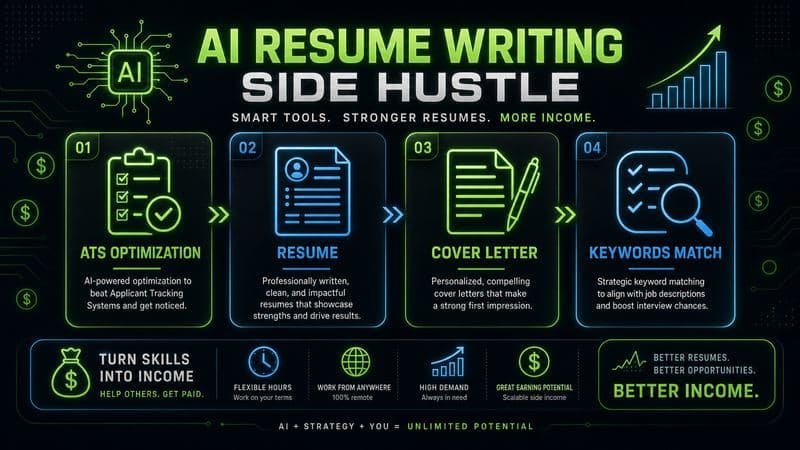
How to Start an AI-Assisted Resume Writing Side Hustle in 2026 (Beginner's Guide)
A step-by-step guide to using AI resume tools to offer a paid resume and cover letter writing service — what to charge, which tools to use, and how to find your first clients.
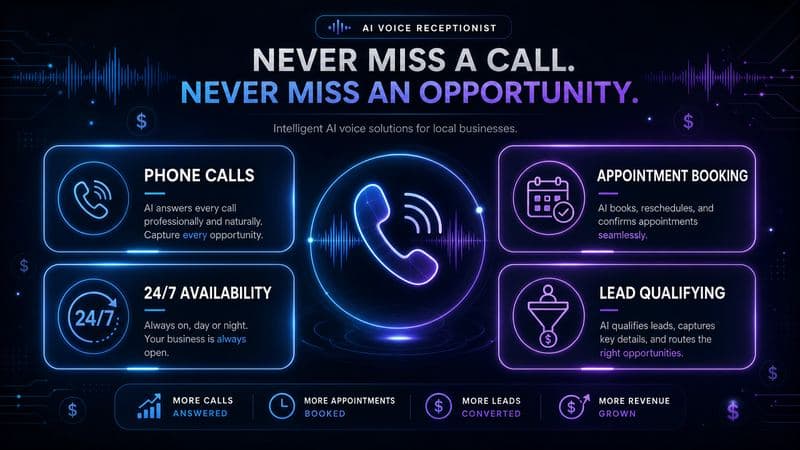
How to Build and Sell AI Voice Receptionists to Local Businesses in 2026
A beginner's guide to building AI voice agents that answer business phone calls — the tools to use, what to charge, and how to find your first client.
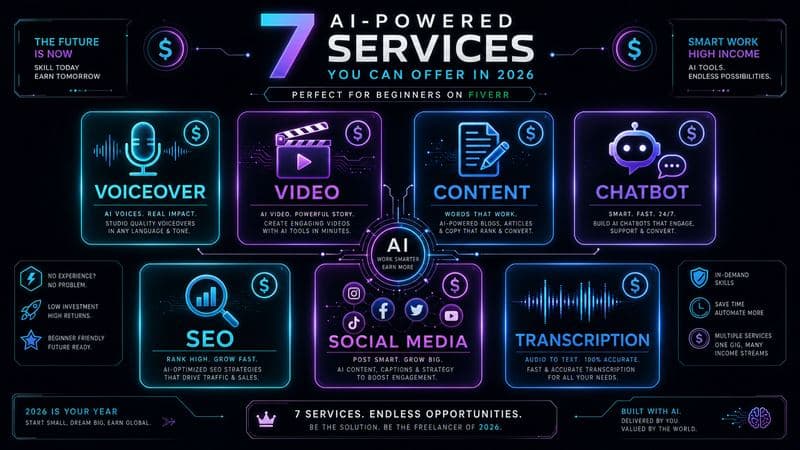
How to Make Money on Fiverr with AI Tools in 2026: 7 Gigs You Can Start This Week
Discover 7 real Fiverr gigs you can launch using free and low-cost AI tools in 2026 — no experience required. Real pricing data, step-by-step setup, and tools that actually work.