
Prompt Engineering Guide: Master AI Prompts (2026)
Master prompt engineering to boost AI output quality. Learn proven frameworks, chain-of-thought techniques, and real-world applications for 2026.
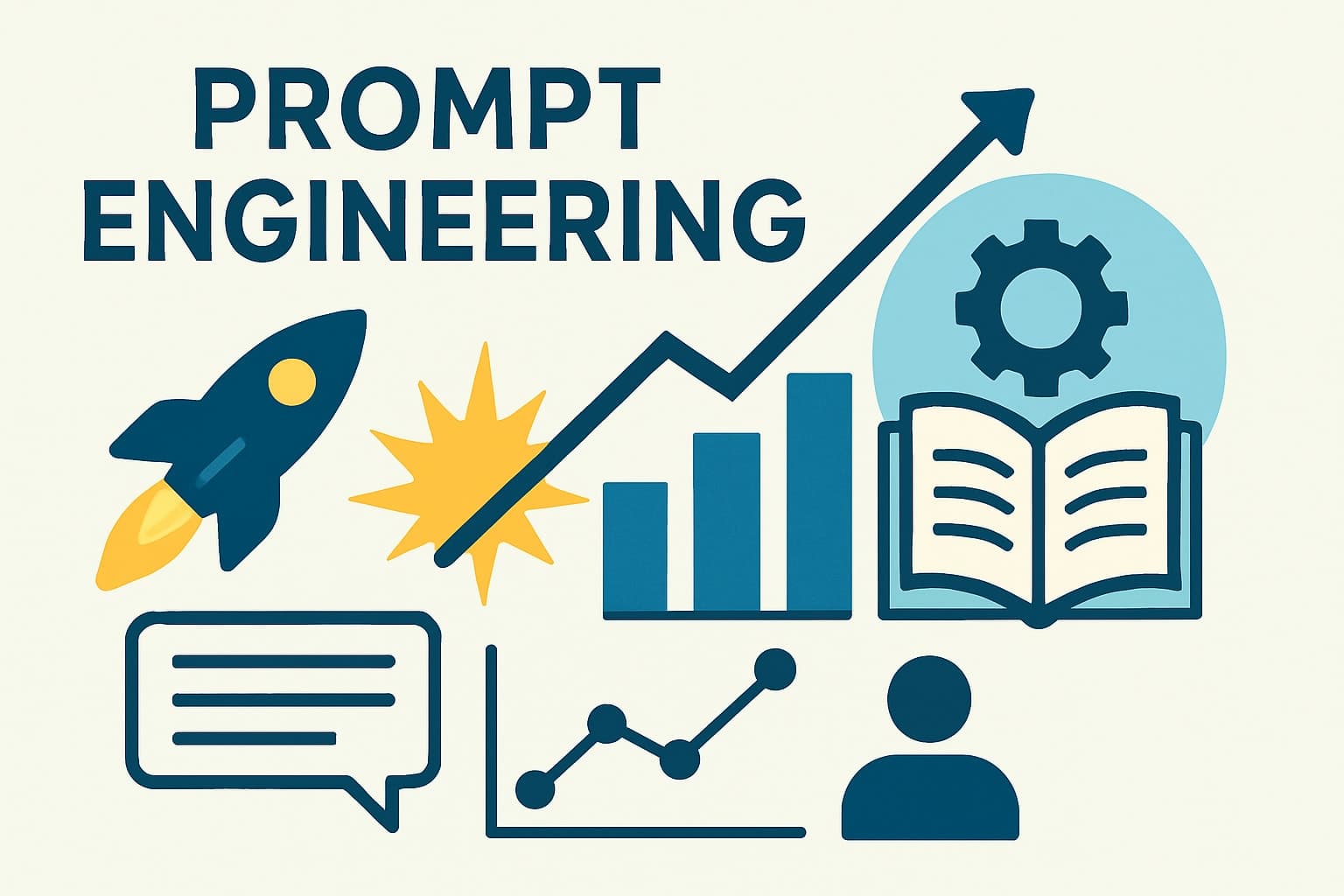
Prompt engineering is the process of structuring text or data inputs to help artificial intelligence models produce more accurate and useful results. By refining how you talk to tools like ChatGPT, Claude, or Midjourney, you can transform vague answers into high-value business assets. Mastering this skill is the most direct way to increase your ROI when using generative AI.
The Evolution of AI Interaction in 2026
Modern AI models have moved beyond simple chat interfaces to become complex reasoning engines that require specific steering. In the early days of generative tools, users relied on "trial and error" to get decent results. Today, the field has matured into a disciplined practice involving logic, context windows, and structured data formats.
The rise of multimodal AI means you aren't just prompting for text anymore; you are coordinating across images, video, and code. Because models now process larger "context windows" (often millions of tokens at once), your ability to provide relevant background information is more vital than ever. Effective communication with these models ensures that the output aligns with your specific brand voice or technical requirements.
Core Elements of a High-Performing Prompt
A high-performing prompt acts as a detailed brief that eliminates guesswork for the AI. To get the best results, every instruction should contain four essential pillars: context, task, constraints, and format.
- Context: Provide the "who, what, and why" behind the request.
- The Task: Use strong action verbs (e.g., "Analyze," "Synthesize," "Draft").
- Constraints: Define what the AI should not do to prevent hallucinations or off-brand content.
- Format: Specify if you want a table, JSON code, a bulleted list, or a professional email.
By providing these details, you reduce the likelihood of "generic" AI fluff. For instance, instead of asking for a "blog post about coffee," a professional prompt would ask a "specialty roaster persona" to write a "500-word SEO guide on pour-over techniques for beginners" using a "friendly but authoritative tone" in "Markdown format."
Advanced Techniques for Better Logic
Basic prompting often hits a ceiling when dealing with complex math or multi-step reasoning. Advanced strategies like Chain-of-Thought (CoT) prompting help the model "think out loud" before arriving at a final answer.
Research from Google DeepMind suggests that asking a model to "show its work step-by-step" significantly reduces logic errors in mathematical and symbolic reasoning tasks. Another powerful method is Few-Shot Prompting, where you provide the model with 2-3 examples of the desired input-output pair before asking it to generate a new one. This is particularly effective for maintaining a specific writing style or extracting data into rigid formats.
For those building automated systems, CustomGPT.ai allows you to index your own documents in under 60 seconds, essentially creating a "permanent prompt" based on your private data. This removes the need to copy-paste context repeatedly.
Practical Applications for AI Side Hustles
Prompting is the engine behind most modern AI-driven income streams. Whether you are a freelancer or a small business owner, these skills translate directly into saved hours and billable services.
- Content Operations: Use structured prompts to generate a month's worth of social media captions from a single podcast transcript.
- Coding and Debugging: Non-technical founders can use "Role-based prompting" to act as a senior software architect, generating functional Python scripts or debugging CSS.
- Voice and Video: High-quality scripts are the foundation of great media. You can use refined scripts in tools like Murf.ai to create professional voiceovers for YouTube or corporate training.
- Data Extraction: Prompting models to return data in JSON allows you to pipe AI responses directly into spreadsheets or other apps for automation.
If you are looking for specific ways to turn these skills into a business, see our guide on ChatGPT money-making strategies for actionable blueprints.
Strategies for Iterative Refinement
The first response from an AI is rarely the best one. Prompt engineering is an iterative cycle of testing and tweaking. If the output isn't quite right, don't just click "regenerate." Instead, provide feedback on what was missing.
Start with a "Zero-Shot" prompt (no examples) to see the model's baseline. If it fails, move to "Few-Shot" by adding examples. If the logic is flawed, apply "Chain-of-Thought" instructions. This systematic approach ensures you aren't wasting time on random guesses. You can also build a library of reusable prompt templates to standardize your workflows across different projects.
The Future of the Prompt Engineer Role
As AI models become more "agentic"—meaning they can take actions across different software—the role of the prompt engineer is shifting toward Agent Orchestration. In the near future, you won't just be prompting for a single paragraph; you will be prompting an AI agent to "Research this topic, find three sources, summarize them, and email the draft to my editor."
This shift makes understanding the underlying logic of AI even more critical. While the models get smarter, the human's role as the "Director" or "Architect" remains the most important part of the equation. Staying updated on these shifts is easier when you follow no-code AI hustles that focus on the latest implementation techniques.
Frequently Asked Questions
What is the most important part of a prompt?
Context is generally considered the most important part. Without knowing the target audience, the goal of the task, and the required tone, the AI will provide a generic response that lacks practical utility.
Do I need to learn coding for prompt engineering?
No, prompt engineering uses natural language (English, Spanish, etc.). However, understanding basic logic and data structures like JSON or Markdown can help you get more professional results for technical tasks.
Is prompt engineering still relevant in 2026?
Yes. While models have improved, they still require specific instructions to produce high-quality, brand-aligned work. Prompting has evolved from "magic words" to a structured way of managing AI workflows.
What is negative prompting?
Negative prompting is telling the AI what to avoid. For example, in image generation, you might list "blurry, distorted, extra limbs" as things you do not want in the final output.
How do I stop AI from hallucinating?
To reduce hallucinations, provide the AI with specific source text and instruct it to "only use the provided information." You can also ask the model to provide a "confidence score" or "cite its sources."
Get the Blueprint: Want to launch a profitable AI business from scratch? Grab The Ultimate AI Toolkit ($19) — a 200+ page framework featuring exact implementation steps for content automation, consulting, and AI agency building.

Alex the Engineer
•Founder & AI ArchitectSenior software engineer turned AI Agency owner. I build massive, scalable AI workflows and share the exact blueprints, financial models, and code I use to generate automated revenue in 2026.
Related Articles
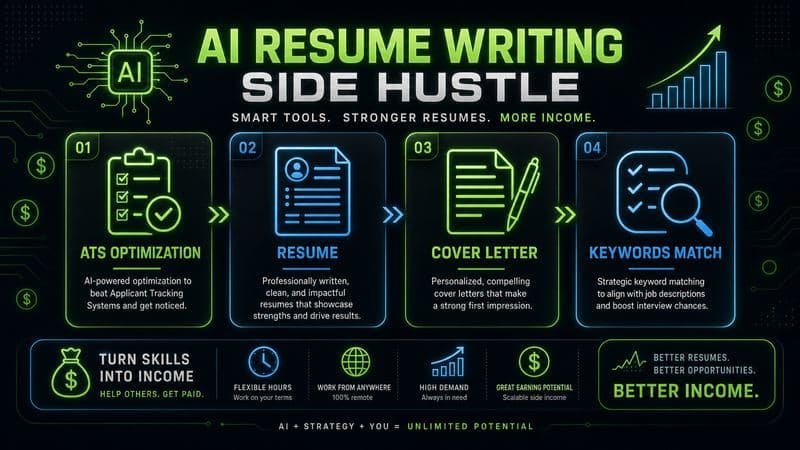
How to Start an AI-Assisted Resume Writing Side Hustle in 2026 (Beginner's Guide)
A step-by-step guide to using AI resume tools to offer a paid resume and cover letter writing service — what to charge, which tools to use, and how to find your first clients.
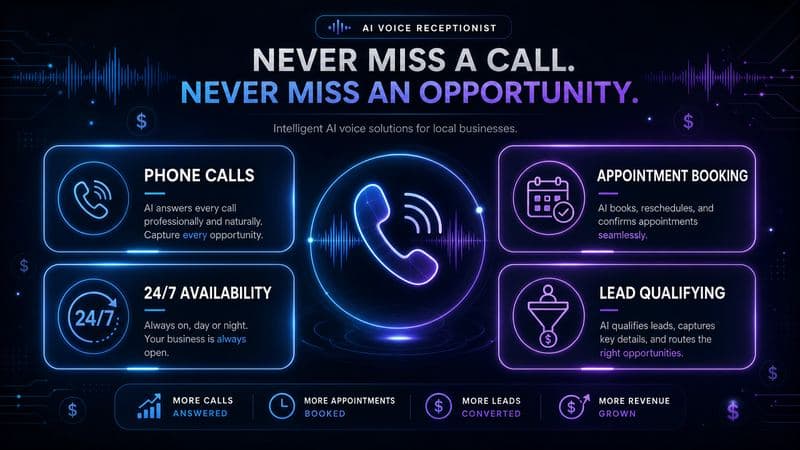
How to Build and Sell AI Voice Receptionists to Local Businesses in 2026
A beginner's guide to building AI voice agents that answer business phone calls — the tools to use, what to charge, and how to find your first client.
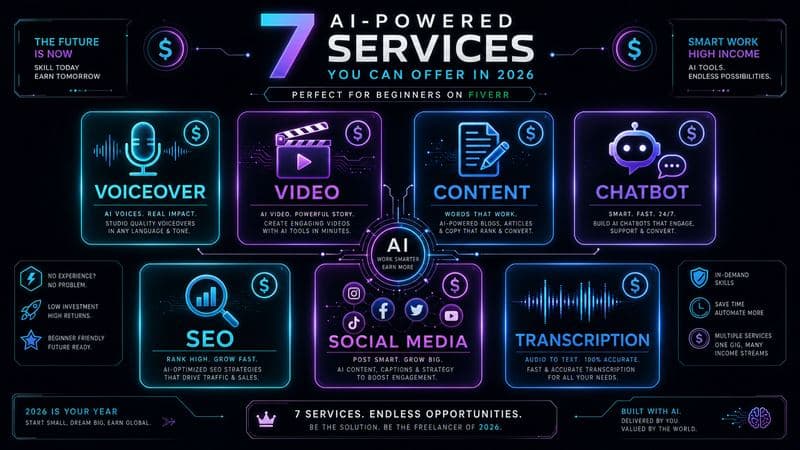
How to Make Money on Fiverr with AI Tools in 2026: 7 Gigs You Can Start This Week
Discover 7 real Fiverr gigs you can launch using free and low-cost AI tools in 2026 — no experience required. Real pricing data, step-by-step setup, and tools that actually work.