
AI UGC & Faceless AI Influencers: How to Build a Viral Brand Without Showing Your Face
Learn how to build a faceless AI influencer brand in 2026. Step-by-step guide on AI UGC tools, monetization strategies, and the exact workflow brands use to generate millions of impressions.
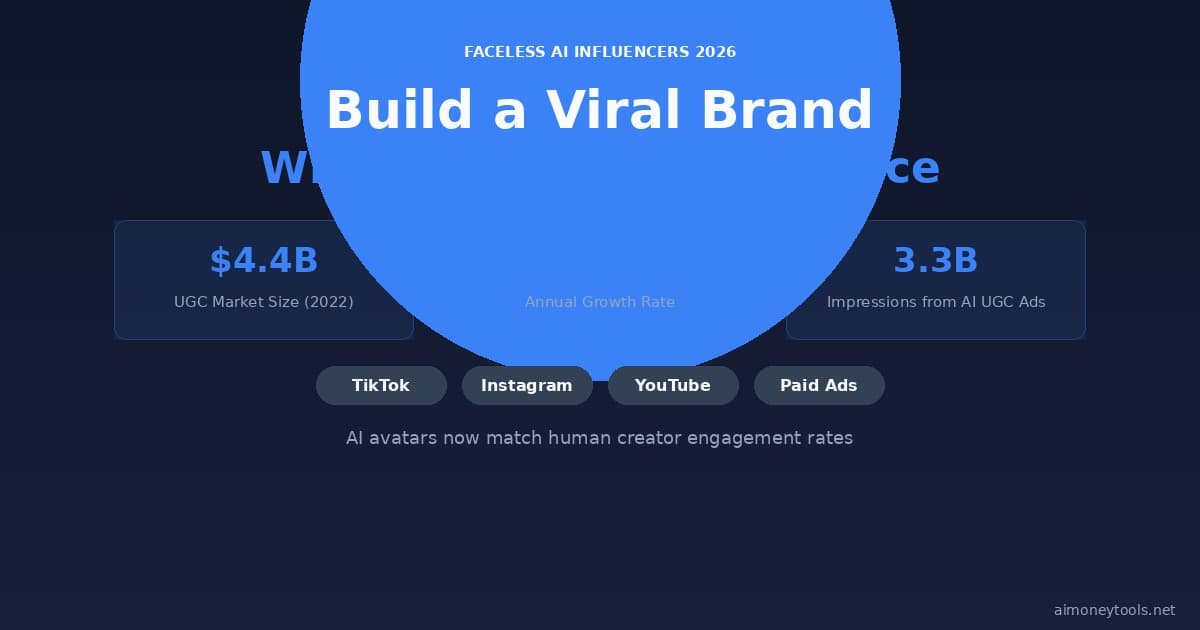
The UGC creator market hit $4.4 billion in 2022 and is growing at 29.4% annually. But here's the part nobody talks about: you don't need a face, a camera, or even a personal brand to compete in it anymore.
AI UGC — user-generated content made entirely with AI avatars — is quietly reshaping how brands advertise and how solo creators build sustainable income streams. Headway, an edtech company, ran AI-generated UGC ads that racked up 3.3 billion impressions in six months and boosted video ad ROI by 40%. Mid-market ecommerce brands are cutting content production costs by 40% while tripling output.
This guide breaks down exactly how it works and how you can start building a faceless AI influencer brand today.
What Is AI UGC (and Why It's Exploding)
AI UGC (AI-generated user-generated content) is video content created using AI avatars — digital personas that speak, move, and present products without any human on camera. Unlike old-school green screen tricks, today's avatars have realistic lip-sync, natural gestures, and can be generated in 175+ languages from a single script.
The format works because it mimics the raw, authentic feel of creator content while giving brands full control over messaging, cost, and scale.
Why brands are switching fast:
- No scheduling shoots, no talent fees, no creative burnout
- A/B test 10 ad variations in the time it used to take to film one
- Localize content globally with accurate lip-sync
- Platform algorithms can't distinguish AI UGC from human UGC (engagement rates are comparable)
How to Build a Faceless AI Influencer Brand in 6 Steps
This is the actual workflow — not theory.
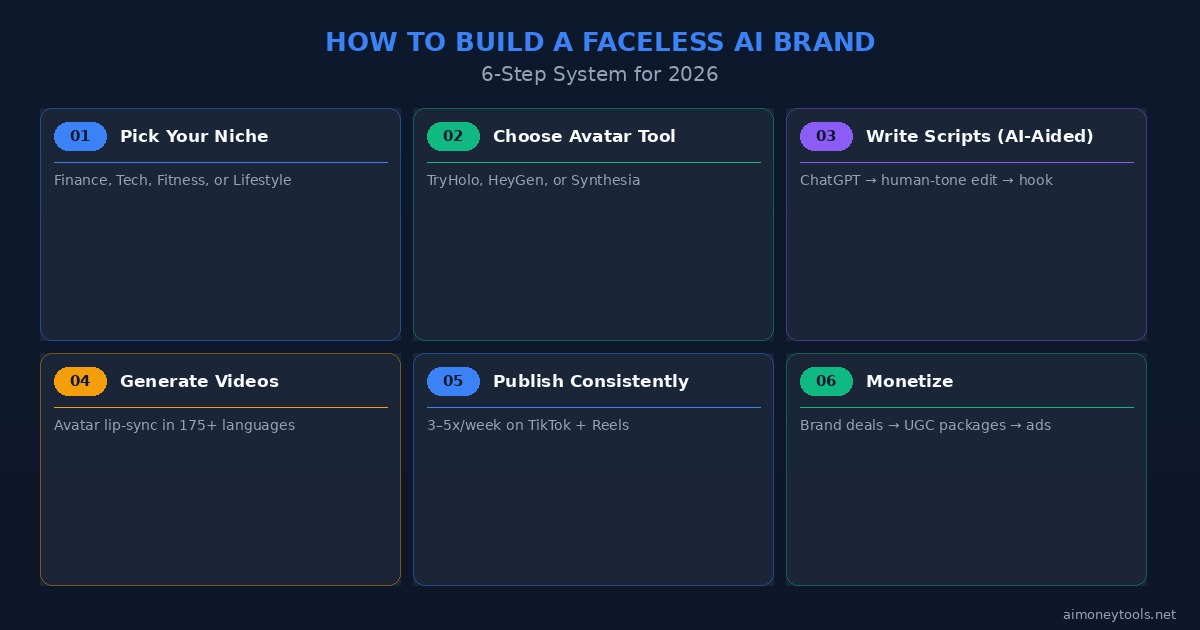
Step 1 — Pick Your Niche
Choose a niche where people actively watch explainer and review content: personal finance, AI tools, fitness, self-improvement, or ecommerce product reviews. Avoid broad topics. "AI tools for freelancers" beats "technology" every time — tighter niche = faster audience building.
Step 2 — Choose Your Avatar Tool
Your avatar is the face of your brand. Pick one that fits your content format:
- TryHolo — Best for UGC-style ads and short-form content. 500+ avatars, built for performance marketing workflows.
- HeyGen — Large avatar library, fast generation, great for product explainers.
- Synthesia — Enterprise-grade, 140+ languages, better for training content than social.
- D-ID — Low-cost entry point for quick short clips.
Step 3 — Write Scripts (with AI Assistance)
Use ChatGPT or Claude to draft a script, then manually edit for your brand voice and an attention-grabbing hook. The hook is everything — your first 3 seconds determine whether someone scrolls past or watches. Good hook formats:
- "Most people waste $X on [thing]. Here's what actually works."
- "I tested [X tools] so you don't have to. Here's the winner."
- "This AI tool let me [result] in [timeframe]. No camera required."
Step 4 — Generate Videos
Upload your script to your avatar platform. Choose a persona that fits your niche (professional, casual, energetic). Record a voiceover separately using a tool like Murf AI if you want custom voice tone on top of the avatar — check out the Murf AI vs ElevenLabs comparison for voice options. Export and download.
Step 5 — Publish Consistently
3–5 videos per week on TikTok + Instagram Reels + YouTube Shorts. Repurpose the same video across all three. Add captions (always), trending audio (on TikTok), and keyword-rich descriptions. Consistency matters more than perfection — your first 30 videos are research.
Step 6 — Monetize
There are three real revenue paths for faceless AI creators:
- Brand partnerships: Once you have 5–10K followers, brands will pay $200–$2,000 per sponsored video depending on your niche and engagement rate.
- UGC packages: You don't even need followers. Sell raw AI UGC videos directly to brands as ad creative. Charge $150–$500 per video, or $1,000–$3,000 for a 5-video package.
- Affiliate marketing: Embed affiliate links in your bio and link-in-bio page. AI tools niches convert well — see which AI side hustles are paying the most right now.
Tool Comparison: Which Platform Should You Start With?
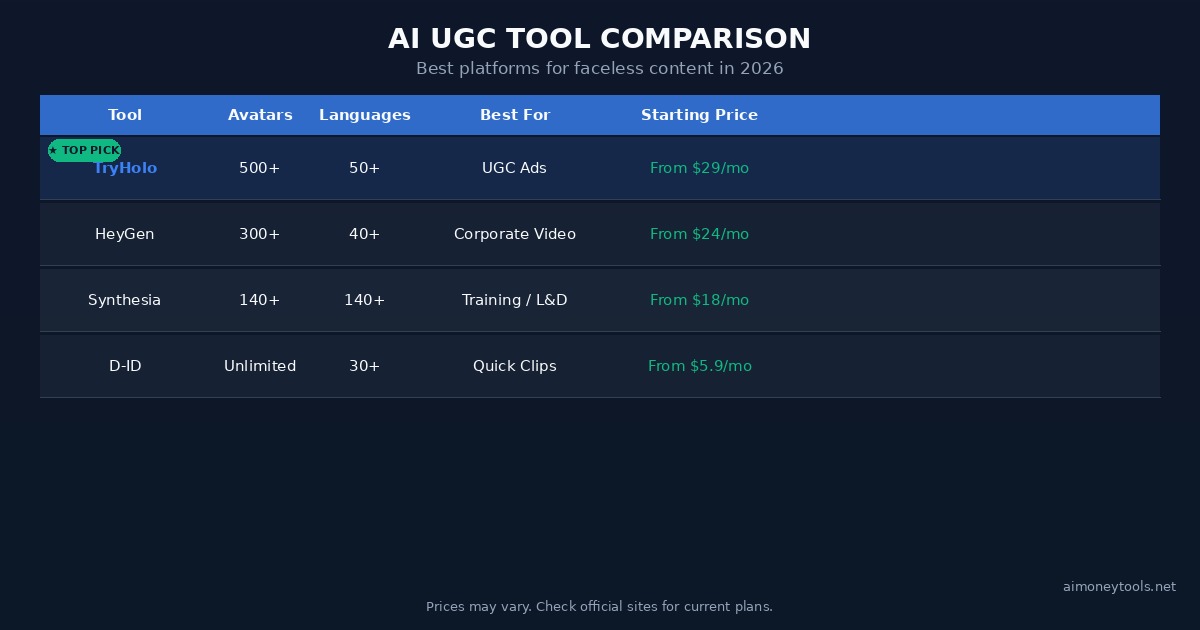
If you're building for content monetization and UGC ads (which pay the most), TryHolo is the strongest starting point. It's built specifically for the UGC ad workflow — avatars are trained on actual high-performing ad content, not corporate training videos.
HeyGen works well if you're doing product explainers for your own brand. Synthesia is overkill for solopreneurs — it shines at enterprise L&D. D-ID is the cheapest entry point but limited for full content series.
What the Data Says About AI UGC Performance
Real numbers from brands running AI UGC at scale:
- 40% lower production costs compared to live-action creator shoots
- 3× content output with the same team size
- 29% more web conversions from UGC content vs. traditional ads
- Bottom-funnel retargeting ads with AI avatars perform on par with human-creator content for warm audiences
The key finding: AI UGC underperforms human creators when scripts feel over-scripted and perfect. The best performing AI UGC content intentionally mimics the rough, direct energy of authentic creator videos — not the polished look of TV commercials.
FAQ
Do I need any tech skills to start with AI UGC? No. Most platforms — including TryHolo and HeyGen — work through simple web interfaces. You upload a script, pick an avatar, and download the video. No coding, no video editing software required.
Can I use AI UGC to sell services even if I have zero followers? Yes. The UGC package model doesn't require a following at all. You're selling the video assets directly to brands as ad creative. Many people start here before building a channel.
Will platforms penalize AI-generated content? Currently no. TikTok, Instagram, and YouTube don't algorithmically penalize clearly AI-avatar content. Disclosure rules vary by country and context (ads require disclosure in most markets), but organic content has no current restrictions.
How long before you can monetize? Brand deals typically start around 5–10K followers (3–6 months of consistent posting). UGC package sales can start immediately — you can pitch brands before you have any followers. Affiliate revenue tends to trickle in around 1–3K followers but scales significantly after that.
What's the biggest mistake faceless creators make? Over-polished scripts. Authentic hooks and imperfect pacing outperform perfectly written corporate scripts. AI avatars don't need to sound like they're reading a teleprompter — in fact, it hurts conversions when they do.
Is TryHolo the only tool worth using? Not the only one, but it's the best fit for UGC-first workflows. If your goal is brand content for your own product (not UGC sales), HeyGen or Synthesia might serve you better. For most solo creators and small agencies, TryHolo's avatar selection and output quality for short-form ads is the strongest starting point.
The Bottom Line
Faceless AI influencing isn't a workaround — it's a legitimate content strategy that's now mainstream. The infrastructure exists to produce, distribute, and monetize content without appearing on camera. The market is growing at nearly 30% annually and brands are actively spending on AI UGC because it works.
The biggest barrier isn't technology. It's consistency. Pick a niche, pick a tool, publish 3x per week for 60 days, and iterate based on what's getting views.
If you want to explore more AI-powered income models beyond content creation, see the full AI automation ideas for 2026 breakdown.

Alex the Engineer
•Founder & AI ArchitectSenior software engineer turned AI Agency owner. I build massive, scalable AI workflows and share the exact blueprints, financial models, and code I use to generate automated revenue in 2026.
Related Articles
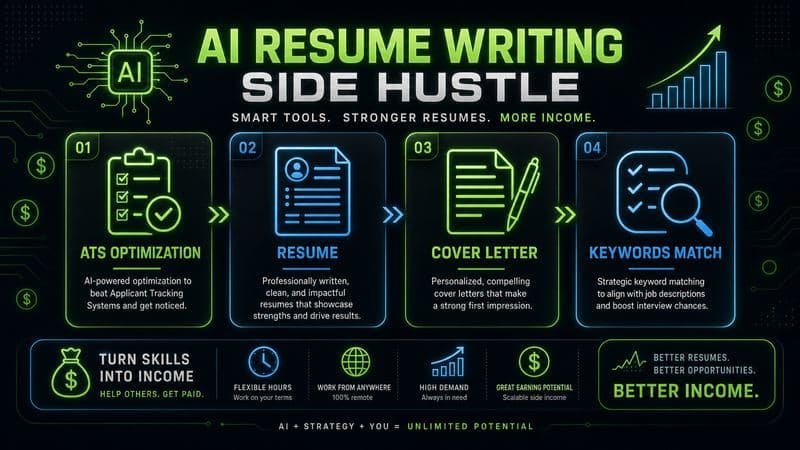
How to Start an AI-Assisted Resume Writing Side Hustle in 2026 (Beginner's Guide)
A step-by-step guide to using AI resume tools to offer a paid resume and cover letter writing service — what to charge, which tools to use, and how to find your first clients.
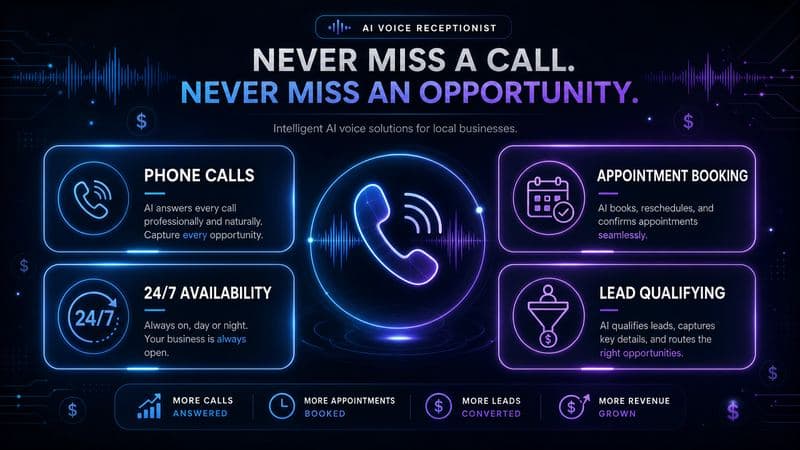
How to Build and Sell AI Voice Receptionists to Local Businesses in 2026
A beginner's guide to building AI voice agents that answer business phone calls — the tools to use, what to charge, and how to find your first client.
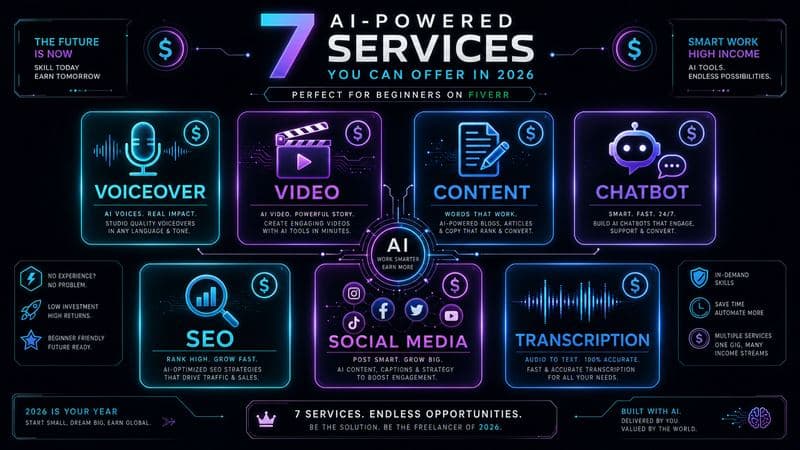
How to Make Money on Fiverr with AI Tools in 2026: 7 Gigs You Can Start This Week
Discover 7 real Fiverr gigs you can launch using free and low-cost AI tools in 2026 — no experience required. Real pricing data, step-by-step setup, and tools that actually work.