
Krea 2 Review: The AI Image Generator Built From Scratch (2026)
Krea 2 launches today with Raw and Turbo models, open weights, and 2-second generation. This beginner guide covers what it is, how it compares to Midjourney and FLUX, and whether the free plan is worth it.
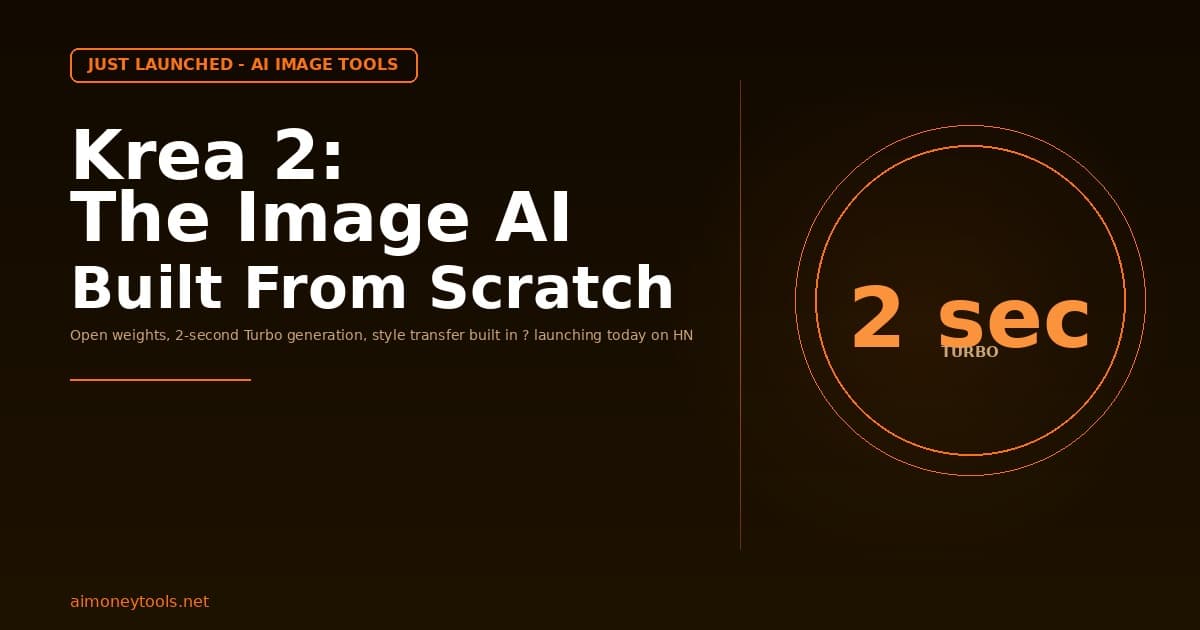
A new AI image model just hit Hacker News at number four today — and it's not Midjourney, not FLUX, not DALL-E 3. It's Krea 2, the first foundation model from Krea AI, built entirely from scratch and released as open weights with a commercial license.
If you've been following AI image tools, you know that most "new models" are actually fine-tunes or wrappers on top of Stable Diffusion or FLUX. Krea 2 is different: it was trained from the ground up, with a specific design focus on aesthetics, style transfer, and creative control.
This guide covers what Krea 2 is, how it works, how it compares to the alternatives you've probably heard of, and whether the free plan is enough for most beginners.
What Is Krea 2?
Krea 2 is an AI image generation model (and creative suite) released by Krea AI on June 24, 2026. It comes in two flavors:
- Krea 2 Raw — the full base model, optimized for quality, style consistency, and fine-grained creative control. Best for when you want the best possible output and you're willing to wait a few seconds.
- Krea 2 Turbo — a distilled, faster version that generates images in approximately 2 seconds. It uses a technique called Trajectory Distribution Matching (TDM) to compress the generation pipeline without losing the base model's quality on most prompts.
Both versions are released as open weights under a custom commercial license, meaning you can download and run them locally or use them for commercial work — with certain restrictions outlined in the license.
Krea AI has also launched a public Krea 2 API, so developers can integrate the model into their own apps and workflows.
What Makes Krea 2 Different?
Most image generators fall into two camps:
- Proprietary cloud models (Midjourney, DALL-E 3, Ideogram): you prompt through their platform, you don't own the model weights, and you pay per generation or via subscription.
- Open-weight models (FLUX.1, Stable Diffusion 3.5): you can download and run them locally, but the quality ceiling is typically lower than the top proprietary options.
Krea 2 attempts to bridge this gap. It's open-weight but built with a commercial-quality training pipeline — closer to what you'd expect from a proprietary model in terms of aesthetics.
A few specific features that stand out:
Style Transfer and Consistency
Krea 2 was explicitly designed for style transfer — give it a reference image and it adapts its output to match the style, color palette, or visual feel of that reference. This is particularly useful for:
- Maintaining consistent branding across multiple generated images
- Creating image series that all look like they belong together
- Matching a photo style you already have
Generative Sliders
Krea's app has a feature called Generative Sliders that lets you dial in the intensity, complexity, and visual movement of a generated image — adjusting these dimensions in real time without writing new prompts. This is genuinely useful for beginners who want to explore variations without having to re-engineer their text prompts.
LoRA Compatibility
Krea 2 maintains compatibility with style LoRAs (fine-tuned style adapters). If you already have LoRAs from other workflows, many of them will work directly with Krea 2.
Krea 2 vs Midjourney vs FLUX: Quick Comparison
| Krea 2 | Midjourney | FLUX.1 | |
|---|---|---|---|
| Open weights | Yes | No | Yes |
| Generation speed | 2 sec (Turbo) | 20-60 sec | 10-30 sec local |
| Style transfer | Native | Sref feature | Requires LoRA |
| Commercial license | Custom (restrictions) | Pro plan | Apache 2.0 |
| Free tier | Yes | No | Run locally free |
| API | Yes | Unofficial only | Via replicate |
| Best for | Style-consistent work, fast iteration | Cinematic/editorial quality | Local creative control |
The honest take: Midjourney still leads on raw image beauty for cinematic and editorial styles. FLUX.1 is unmatched for local control if you have the hardware. Krea 2 finds its lane in speed, style consistency, and ease of use — especially for beginners who don't want to set up a local environment.
How to Get Started with Krea 2 (Free)
Getting started takes about three minutes:

Step 1: Go to krea.ai Create a free account. No credit card required for the free tier.
Step 2: Open the Generate tab You'll see a text prompt field. Type a description of the image you want to create. Example: "A minimalist workspace with warm lighting, muted colors, product photography style."
Step 3: Choose your model Select Krea 2 Raw (better quality, a bit slower) or Krea 2 Turbo (2-second generation, slightly lower quality but excellent for iteration). For beginners, start with Turbo.
Step 4: Upload a style reference (optional) Click the Style Reference button and upload an image you want Krea 2 to take visual cues from. This is one of the strongest features — it allows non-artists to get consistent results without deep prompt engineering.
Step 5: Generate and iterate Use the Generative Sliders to adjust the result. If the output is too complex, slide down the Complexity slider. If the image feels static, try nudging the Movement slider. These controls are intuitive and let you iterate quickly.
Krea 2 Pricing
Krea AI offers four pricing tiers as of June 2026:
| Plan | Price | Included generations |
|---|---|---|
| Free | $0 | Limited (rate-limited) |
| Pro | ~$29/month | High-volume access |
| Ultra | ~$79/month | Maximum throughput + priority |
| Enterprise | Custom | Unlimited + SLA |
The free tier is rate-limited but functional for testing. If you're evaluating Krea 2 for a commercial project or regular creative workflow, start with Free and upgrade only when you hit the limits.
Running Krea 2 Locally (Advanced)
Because Krea 2 is open-weight, you can download and run it locally. This requires a GPU with adequate VRAM.
For Krea 2 Turbo (the smaller, faster model): you'll want at least 8–12 GB of VRAM for reasonable performance. If you're not sure how much VRAM your machine has, see our how to check VRAM for AI guide.
For Krea 2 Raw (full base model): 16–24 GB VRAM recommended. Running on a consumer RTX 4080/4090 or a Mac M3/M4 Pro/Max is viable.
For cloud GPU access without buying hardware, Ampere offers on-demand GPU instances — you can spin up an A100 instance, run experiments, and shut it down. Good for one-off evaluation before committing to local hardware.
Unlike GLM-5.2 (which requires 245 GB of RAM just for the smallest quant), Krea 2 runs comfortably on mid-range consumer hardware. It's one of the more accessible open-weight models for local use.
Who Should Use Krea 2?
Beginners exploring AI image tools — the free tier is genuine, Generative Sliders reduce the learning curve, and results are consistent enough to start using in real projects.
Content creators who need branded visuals — style reference + fast generation = consistent, on-brand images at volume. Good for blog covers, social media graphics, and product mockups.
Developers building image generation into apps — the API is available on day one, the license allows commercial integration, and the 2-second generation time makes real-time applications viable.
People running Midjourney who want an open-weight alternative — if you've been paying $10–30/month for Midjourney but you're frustrated by the lack of style consistency or the no-local-download policy, Krea 2 is the most direct alternative to evaluate.
What Krea 2 Doesn't Do Well (Honest Assessment)
- Pure photorealism — FLUX.1 and Midjourney V7 still lead on photorealistic output for portraits and product photography.
- Video generation — Krea has video features, but Krea 2 is an image model. For AI video, look at Veo 3 or Runway Gen-4.
- Complex multi-subject scenes — most AI image models struggle here; Krea 2 is no exception. Simpler prompts produce better results.
Frequently Asked Questions
Is Krea 2 free to use? Yes, Krea AI offers a free tier with rate-limited access to Krea 2. You can create an account at krea.ai and start generating without a credit card. Paid plans start at around $29/month for higher volume access.
What is the difference between Krea 2 Raw and Krea 2 Turbo? Krea 2 Raw is the full base model optimized for quality. Krea 2 Turbo is a distilled version that generates images in approximately 2 seconds using a technique called Trajectory Distribution Matching (TDM). Turbo maintains most of the quality for typical prompts while being significantly faster. Start with Turbo and switch to Raw when you need maximum quality.
Can I use Krea 2 commercially? Yes, but under a custom license that includes some restrictions. Review the Krea 2 license on krea.ai before using it in commercial products. Paid API plans have the most permissive commercial terms.
Is Krea 2 better than Midjourney? It depends on what you need. Midjourney still produces more cinematic, editorial-quality images. Krea 2 is faster, has better native style transfer, and is open-weight (you can run it locally). For most beginners, Krea 2's free tier and ease of use make it a better starting point.
How does Krea 2 compare to FLUX? FLUX.1 is open-source (Apache 2.0 license) and very capable locally, but requires more setup and familiarity with tools like ComfyUI. Krea 2 has a polished hosted interface that beginners can use immediately. See our ComfyUI guide if you want to explore FLUX locally.
What hardware do I need to run Krea 2 locally? Krea 2 Turbo runs well on 8–12 GB VRAM (RTX 3080/4070 range). Krea 2 Raw is more comfortable on 16–24 GB VRAM. Check our VRAM guide to see if your hardware qualifies.
Can I use Krea 2 with LoRAs? Yes. Krea 2 maintains compatibility with style LoRAs. If you have existing LoRAs from Stable Diffusion or FLUX workflows, many will work directly with Krea 2.

Alex the Engineer
•Founder & AI ArchitectSenior software engineer turned AI Agency owner. I build massive, scalable AI workflows and share the exact blueprints, financial models, and code I use to generate automated revenue in 2026.
Related Articles
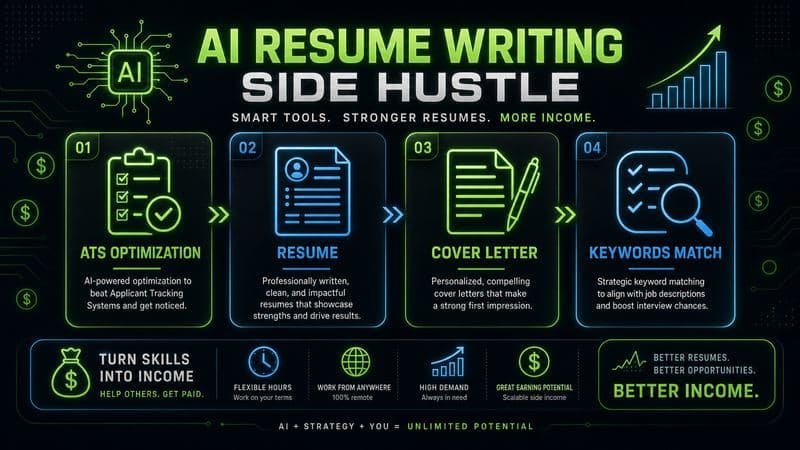
How to Start an AI-Assisted Resume Writing Side Hustle in 2026 (Beginner's Guide)
A step-by-step guide to using AI resume tools to offer a paid resume and cover letter writing service — what to charge, which tools to use, and how to find your first clients.
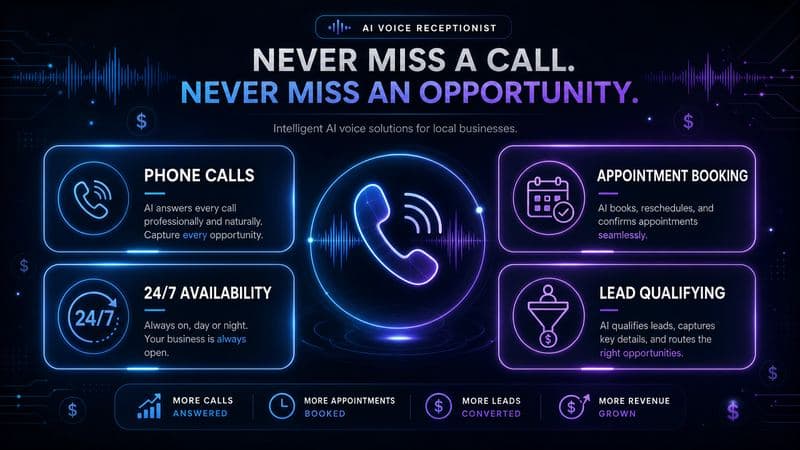
How to Build and Sell AI Voice Receptionists to Local Businesses in 2026
A beginner's guide to building AI voice agents that answer business phone calls — the tools to use, what to charge, and how to find your first client.
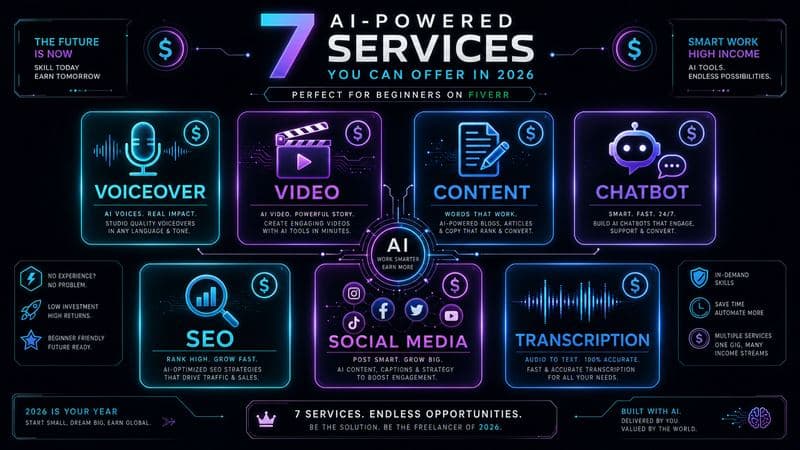
How to Make Money on Fiverr with AI Tools in 2026: 7 Gigs You Can Start This Week
Discover 7 real Fiverr gigs you can launch using free and low-cost AI tools in 2026 — no experience required. Real pricing data, step-by-step setup, and tools that actually work.