
Is MCP Dead? What the 2026 Controversy Means for AI Beginners
The Model Context Protocol (MCP) sparked a major tech debate in 2026. Influential developers called it 'trash.' Others defended it. Here is a plain-English breakdown of what MCP is, what went wrong, and what you actually need to know.
A short-lived technology burial, or a legitimate wake-up call?
In early 2026, a phrase started circulating on tech Twitter, Hacker News, and developer forums: "MCP is dead." In just a few weeks, it became one of the most-discussed controversies in AI tool circles — and if you have been following AI news even casually, you have probably seen the headlines.
But if you are new to AI tools, you may be wondering: what is MCP in the first place? And should you care if it is dead?
Here is the plain-English version.
What Is MCP?
MCP stands for Model Context Protocol. It is an open standard created by Anthropic — the company behind Claude — in late 2024.
The simplest way to think about it: MCP is a universal plug system for AI tools.
Before MCP, every AI assistant had its own, proprietary way of connecting to external tools like web browsers, databases, code editors, or file systems. If you wanted Claude to read your Google Drive, you needed a custom integration. If you wanted ChatGPT to do the same, you needed a different custom integration. Every connection was one-off and expensive to build.
MCP was designed to fix that. It proposed a standardized way for any AI model to connect to any external tool — the same way USB standardized how devices connect to computers.
The idea caught on quickly. By early 2025, OpenAI had added MCP support. Google, Microsoft, AWS, and Cloudflare all built native compatibility. Thousands of MCP servers were published on GitHub. The AI development community embraced it as a genuine infrastructure breakthrough.
Then, in March 2026, the backlash arrived.
What Actually Happened in 2026?
Several high-profile figures in the tech community published sharp criticisms of MCP within a short window of time.
Garry Tan, the CEO of Y Combinator, called MCP "trash" on X. A well-circulated post by developer Eric Holmes was titled "MCP is dead. Long live the CLI." Perplexity's engineering team reportedly began removing MCP from their production systems and switching back to direct API calls.
This was not random online noise. These were people who had actually built and deployed MCP-based systems at scale — and they were describing real problems they ran into.
The Three Real Problems with MCP
1. It Uses Too Many Tokens
Every time an AI model uses an MCP connection, it needs to load a full description of what that tool can do into its context window — its working memory.
Research shared in the community showed that MCP definitions could consume up to 236 times more input tokens than simpler approaches, while sometimes making the AI's responses less accurate.
For beginners, here is why that matters: most AI APIs charge per token. More tokens = higher bills. If you are building something that runs thousands of AI calls per day, the difference is enormous.
2. Security Was Often Ignored
Many tutorials and setup guides for MCP showed configurations with no authentication — meaning anyone who found the server address could potentially access it.
Security researchers flagged hundreds of publicly exposed MCP servers with no access controls. This is a serious risk in enterprise environments, and it became one of the loudest criticisms: MCP made it dangerously easy to deploy AI integrations insecurely.
3. It Was Designed for Local, Not Cloud
MCP was originally built to work on a single computer — a developer's laptop, running everything locally. But teams started deploying MCP servers in cloud infrastructure, at scale, across large organizations.
That introduced challenges it was never designed to solve: load balancing, logging, monitoring, rate limiting, multi-tenant access. The protocol had no built-in answers for any of these, which created operational headaches in production.
Is MCP Actually Dead?
No. But it is no longer the automatic answer to every AI integration question.
That is the more accurate version of the "MCP is dead" headline. What happened in 2026 was not a collapse — it was a correction.
Major cloud providers have not dropped MCP. Anthropic has not abandoned it. Claude still supports it. Thousands of developers still use it daily for exactly the kind of work it was designed for.
What changed is that the community stopped treating MCP as a universal solution and started asking whether it was the right tool for a specific situation.
The mature answer, according to most experienced developers who worked through the controversy, is: use MCP where it makes sense, and use simpler approaches where it does not.
When Should You Use MCP? A Beginner's Guide
Here is a practical breakdown, in plain English:
| MCP works well when… | A simpler approach works better when… |
|---|---|
| You are connecting to tools you do not control | The tool is already well-known to the AI (git, curl) |
| You need a shared integration across a team | You just need one simple API call |
| Enterprise visibility and access controls matter | You are building a quick prototype |
| The tool vendor already publishes an MCP server | The direct API is cleaner and cheaper |
If you are a beginner just exploring what AI can do, you probably do not need to think about MCP at all right now. MCP is infrastructure — it becomes relevant when you are building AI-powered applications or automations, not when you are just using tools like ChatGPT, Claude, or CustomGPT.
What This Controversy Tells Us About AI in 2026
The MCP debate is a symptom of something bigger: AI infrastructure is maturing, and the community is learning what works at scale.
In 2023 and 2024, the AI ecosystem moved at an almost incomprehensible pace. New tools, protocols, and frameworks launched every week. Many were adopted enthusiastically before anyone had run them in demanding real-world conditions.
By 2026, the community has enough production experience to stress-test these systems — and the honest feedback is starting to surface. That is healthy, even when it looks messy from the outside.
MCP is not dead. It is being refined. That is exactly what should happen.
What Should AI Beginners Actually Do?
If you are new to AI tools, here is the practical takeaway:
-
You do not need to understand MCP to use AI tools. ChatGPT, Claude, Perplexity, and beginner-friendly platforms like CustomGPT handle all the underlying plumbing for you.
-
If you start building with the Claude API, you may eventually encounter MCP. When you do, start simple: local integrations, small scope, authenticated servers from day one.
-
Follow the signal, not the noise. The "MCP is dead" narrative was useful for surfacing real problems, but the protocol itself is alive and supported by every major AI platform.
-
Read our Claude API beginner guide if you want to start building on Claude without getting into MCP complexity. You can build a lot of useful applications before MCP becomes relevant.
Related Reading
- Claude Opus 4.8: The First Model to Pass Every Super-Agent Test
- Anthropic Is Now Worth More Than OpenAI
- How to Use the Claude API: A Beginner's Guide
- What Are AI Agents? A Plain-English Explainer
Frequently Asked Questions
What does MCP stand for?
MCP stands for Model Context Protocol. It is an open standard created by Anthropic in late 2024 to standardize how AI models connect to external tools and data sources.
Why did people say MCP is dead?
The criticism came from developers who had used MCP in real production systems and ran into concrete problems: excessive token usage, security gaps in typical deployments, and operational challenges at cloud scale. High-profile figures including Garry Tan (Y Combinator) and the Perplexity engineering team published sharp criticisms in early 2026.
Is MCP actually dead or gone?
No. MCP is still actively supported by Anthropic, OpenAI, Google, Microsoft, AWS, and Cloudflare. It is widely used. The controversy did not kill the protocol — it triggered a more realistic conversation about when to use it and when not to.
Do I need to understand MCP to use Claude or ChatGPT?
No. MCP is developer infrastructure. If you are using Claude.ai, ChatGPT, or beginner-friendly tools like CustomGPT, you never need to think about MCP at all.
What is the Model Context Protocol used for?
MCP lets AI models connect to external tools — like file systems, databases, web browsers, code editors, or APIs — using a standardized format. Instead of building one-off custom integrations for every AI-tool pair, developers build a single MCP server for a tool and any MCP-compatible AI can use it.
Who created MCP?
MCP was created by Anthropic and open-sourced in November 2024. Since then, it has been adopted by OpenAI and major cloud platforms including Google, Microsoft, AWS, and Cloudflare.
Should I use MCP when building AI apps?
It depends on your use case. For beginners and simple projects, direct API calls are usually simpler and cheaper. MCP becomes useful when you need to share tool integrations across a team, when connecting to tools you do not control, or in enterprise settings with access-control requirements.
What replaced MCP?
Nothing has replaced MCP. The community debate was about using simpler alternatives — direct API calls, command-line tools — in cases where MCP added unnecessary complexity. Both approaches coexist.

Alex the Engineer
•Founder & AI ArchitectSenior software engineer turned AI Agency owner. I build massive, scalable AI workflows and share the exact blueprints, financial models, and code I use to generate automated revenue in 2026.
Related Articles
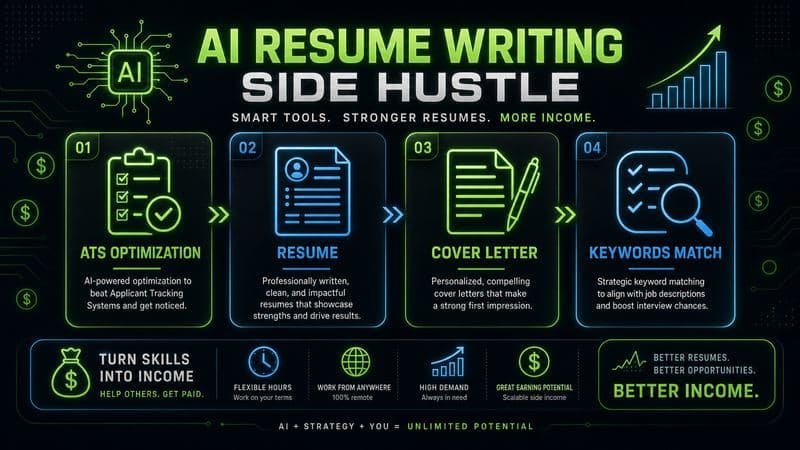
How to Start an AI-Assisted Resume Writing Side Hustle in 2026 (Beginner's Guide)
A step-by-step guide to using AI resume tools to offer a paid resume and cover letter writing service — what to charge, which tools to use, and how to find your first clients.
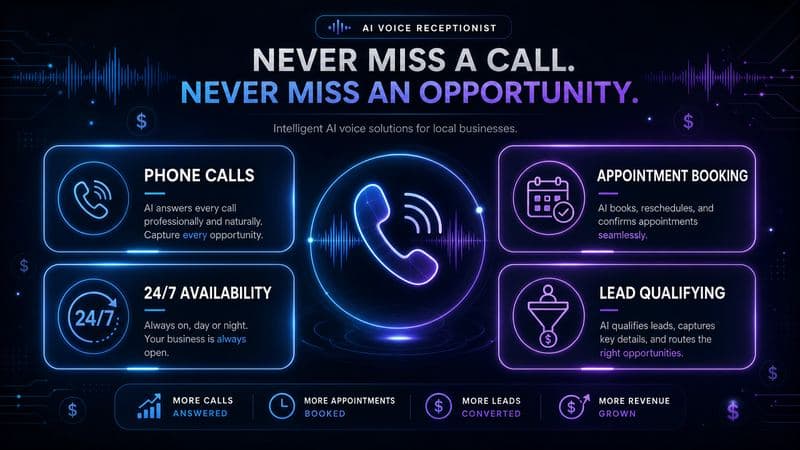
How to Build and Sell AI Voice Receptionists to Local Businesses in 2026
A beginner's guide to building AI voice agents that answer business phone calls — the tools to use, what to charge, and how to find your first client.
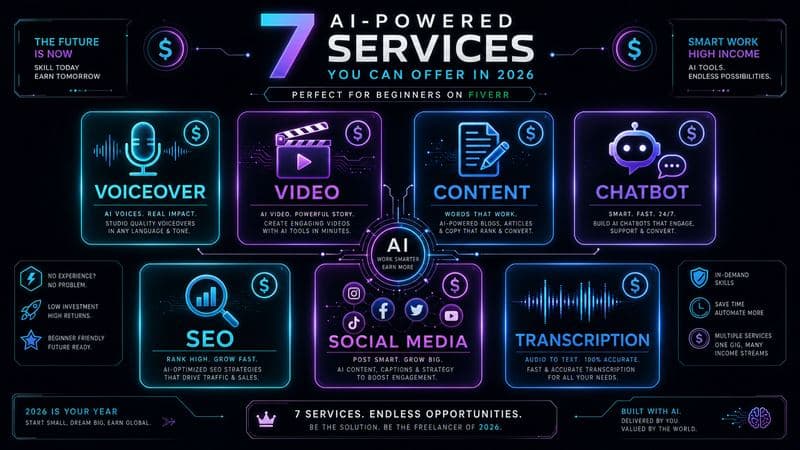
How to Make Money on Fiverr with AI Tools in 2026: 7 Gigs You Can Start This Week
Discover 7 real Fiverr gigs you can launch using free and low-cost AI tools in 2026 — no experience required. Real pricing data, step-by-step setup, and tools that actually work.