
How to Use Claude Computer Use: A Beginner's Guide (2026)
Claude Computer Use lets AI operate your computer for you. Here's what it is, how it actually works, and how beginners can start using it for real tasks in 2026.
Claude Computer Use is one of the most powerful — and least understood — features in AI right now. It lets Claude actually operate your computer: clicking buttons, filling forms, running programs, browsing the web, and completing multi-step tasks on your behalf.
This guide explains exactly what it is, what you need to try it, and how beginners can start using it today.
What Is Claude Computer Use?
Claude Computer Use is a feature from Anthropic that gives Claude the ability to see your screen and control your mouse and keyboard. Instead of just answering questions, Claude can do things for you inside applications.
You give it a task in plain English. Claude looks at what's on the screen, figures out what to click or type, and executes the steps — one action at a time.
Real examples of what it can do:
- Fill out a form on a website
- Open a spreadsheet, find specific data, and copy it somewhere else
- Browse multiple websites and compile information into a document
- Repeat the same multi-step action across dozens of items
It's closer to having an AI assistant that can sit at your desk and operate your computer than a chatbot that just gives you advice.
How Is This Different From Regular Claude?
Regular Claude (on Claude.ai) responds with text. You ask a question, it gives an answer. Useful, but still requires you to go do the work.
Claude Computer Use removes that gap:
| Regular Claude | Claude Computer Use |
|---|---|
| Tells you what to do | Does it for you |
| Outputs text only | Controls mouse + keyboard |
| One conversation at a time | Multi-step task chains |
| Works in the chat window | Works across your whole desktop |
| Available to all users | Requires API or specific setup |
The difference matters for anyone trying to automate repetitive work — like data entry, form submission, or navigating software that doesn't have an API.
What Do You Need to Use Claude Computer Use?
There are two main ways to access Computer Use:
Option 1: Claude API (Most Direct)
Claude Computer Use is available through the Anthropic API. You set up a controlled desktop environment — typically a virtual machine or Docker container — and send tasks to Claude via the API. Claude sends back "actions" (click here, type this) and your code executes them.
This is the most flexible option but requires some technical setup. If you're comfortable with Python and can follow a setup guide, it's accessible even for intermediate beginners.
What you need:
- An Anthropic API key (from console.anthropic.com)
- Python installed on your computer
- Docker (for the containerized demo environment)
- The official Anthropic Computer Use demo repository from GitHub
Option 2: Operator Products Built on Computer Use
Several AI automation tools have already built Computer Use into their platforms, so you don't need to touch code. You log in, give the AI a task, and it handles everything in a cloud browser environment.
If you're a complete beginner or just want to test the concept without any setup, this is the faster path.
Setting Up Claude Computer Use (API Method — Step by Step)
This walkthrough uses Anthropic's official demo to get Computer Use running locally.
Step 1: Get your API key
Go to console.anthropic.com, create an account, and generate an API key under Settings → API Keys. Store it safely — you won't see it again.
Step 2: Install Docker
Docker creates an isolated environment where Claude can control a virtual desktop without touching your main system. Download Docker Desktop from docker.com and install it. This is important — running Computer Use directly on your main desktop is not recommended for security reasons.
Step 3: Clone the demo repository
Open your terminal and run:
git clone https://github.com/anthropics/anthropic-quickstarts
cd anthropic-quickstarts/computer-use-demo
If you're new to terminal commands, check out our terminal beginners guide before continuing.
Step 4: Run the demo
Set your API key as an environment variable and start the Docker container. The official README in the repo has the exact command. Once running, you'll see a web interface at localhost:8080 showing a virtual desktop and a chat panel.
Step 5: Give it a task
Type a task in the chat panel. Start simple: "Open the text editor and type a short poem." Watch Claude figure out where the text editor is, click on it, and type.
From there you can test more complex tasks in the safe sandbox environment.
Practical Tasks Beginners Can Automate
Once you have the environment running, here are the kinds of tasks worth experimenting with:
Data collection: Give Claude a list of company names and ask it to search each one online and copy the CEO's name into a spreadsheet. Manual work that takes hours becomes a background task.
Form filling: If you regularly fill out the same type of form — invoices, reports, intake sheets — you can describe the pattern once and let Claude handle it.
Software navigation: If you use a desktop program that doesn't have an API (accounting software, legacy CRM, local databases), Computer Use can navigate it like a human would.
Multi-tab research: Ask Claude to open 10 URLs, summarize the key point on each page, and compile the results into a document.
Limitations to Know Before You Start
Computer Use is powerful but not magic. Here's what it currently struggles with:
Speed: Each action requires Claude to analyze the screen, decide what to do, execute, and check the result. Complex tasks that a human does in 30 seconds might take Claude 2–5 minutes.
Reliability: Claude can misread UI elements or get confused by pop-ups, CAPTCHAs, or unexpected screens. You'll want to supervise longer tasks rather than leave them fully unattended.
Cost: API usage is metered. Long Computer Use sessions with many screenshots and actions can cost more than basic text queries. Budget for experimentation.
Security: Never give Computer Use access to passwords, banking, or sensitive accounts in unsupervised sessions. Run it in isolated environments.
Who Should Try Claude Computer Use?
Good fits:
- Freelancers who do repetitive research or data entry
- Small business owners who use multiple software tools daily
- People who want to automate tasks but aren't ready to write code
- Anyone curious about how AI agents actually work
Less urgent:
- People whose work is already automated by APIs and integrations
- Anyone who needs guaranteed reliability on mission-critical tasks (not there yet for fully unsupervised use)
If you want the benefits of AI automation without setting up an API environment, tools like CustomGPT give you a no-code path to building AI assistants that work within your content and data — a simpler entry point before graduating to full Computer Use.
Related Articles
- Claude API Tutorial for Beginners (2026)
- How to Use AI in Google Sheets (4 Methods)
- Terminal Beginners Guide
FAQ
Q: Is Claude Computer Use free? A: The API access that powers Computer Use is paid — you pay per token (text + images sent/received). Anthropic offers new accounts some free credits to start. Third-party tools built on Computer Use may have their own pricing.
Q: Is it safe to let Claude control my computer? A: The official recommendation is to run Computer Use inside a Docker container or virtual machine — an isolated environment that keeps it away from your real desktop, files, and accounts. Do not give it access to passwords or sensitive data during testing.
Q: What model supports Computer Use?
A: Claude Computer Use requires Claude 3.5 Sonnet or newer models that support the computer_use tool. Older models don't have this capability. Anthropic continues to improve the feature with each model generation.
Q: Can Claude Computer Use log into websites for me? A: Technically yes, but this is one of the higher-risk use cases. If you provide credentials in the session, Claude can use them. Always use this in a sandboxed environment with test accounts before trusting it with real credentials.
Q: How does Claude see my screen? A: Claude receives screenshots — still images of the current screen state — at each step. It analyzes the screenshot, decides what action to take next, and the system executes that action and sends a new screenshot. It's not a live video feed; it's a sequence of observe → decide → act.
Q: Do I need to know how to code? A: To use the official Anthropic demo, some comfort with terminal commands and Python helps — but you don't need to write code from scratch. Following the official quickstart repository step-by-step is manageable for most tech-curious beginners. Third-party platforms built on Computer Use require no coding at all.
Q: What's the difference between Claude Computer Use and an AI agent? A: An AI agent is the broader concept — an AI that can take actions to complete goals over multiple steps. Claude Computer Use is a specific implementation: it uses a visual interface (screenshots) to interact with any desktop software, even ones with no API. It's one type of AI agent, specialized for GUI-based computer control.

Alex the Engineer
•Founder & AI ArchitectSenior software engineer turned AI Agency owner. I build massive, scalable AI workflows and share the exact blueprints, financial models, and code I use to generate automated revenue in 2026.
Related Articles
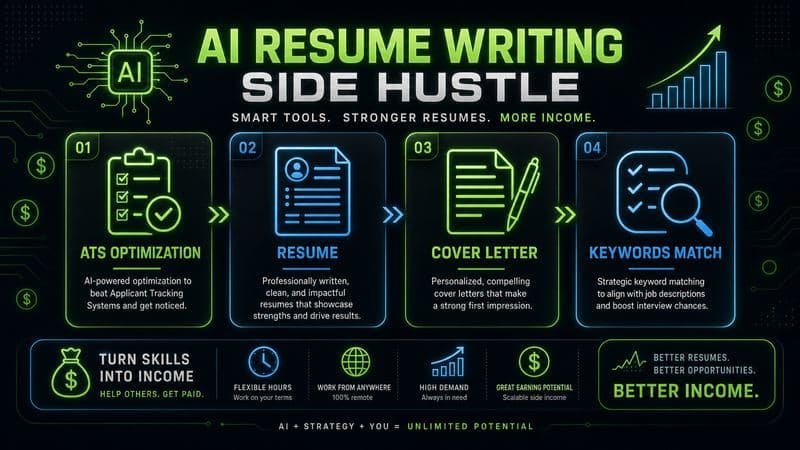
How to Start an AI-Assisted Resume Writing Side Hustle in 2026 (Beginner's Guide)
A step-by-step guide to using AI resume tools to offer a paid resume and cover letter writing service — what to charge, which tools to use, and how to find your first clients.
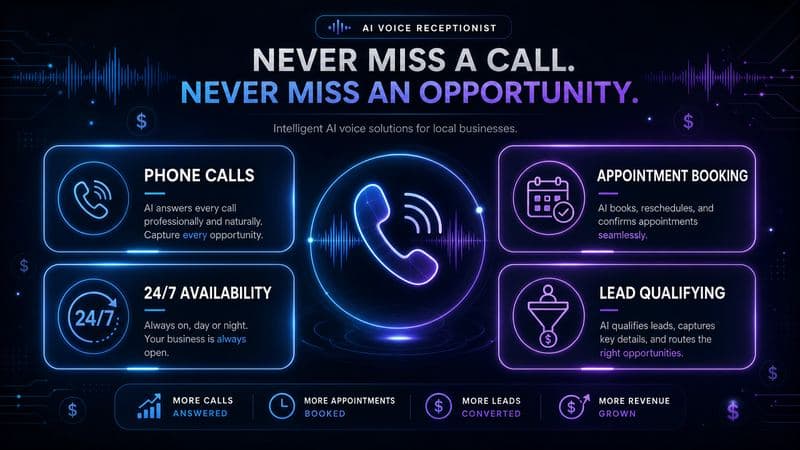
How to Build and Sell AI Voice Receptionists to Local Businesses in 2026
A beginner's guide to building AI voice agents that answer business phone calls — the tools to use, what to charge, and how to find your first client.
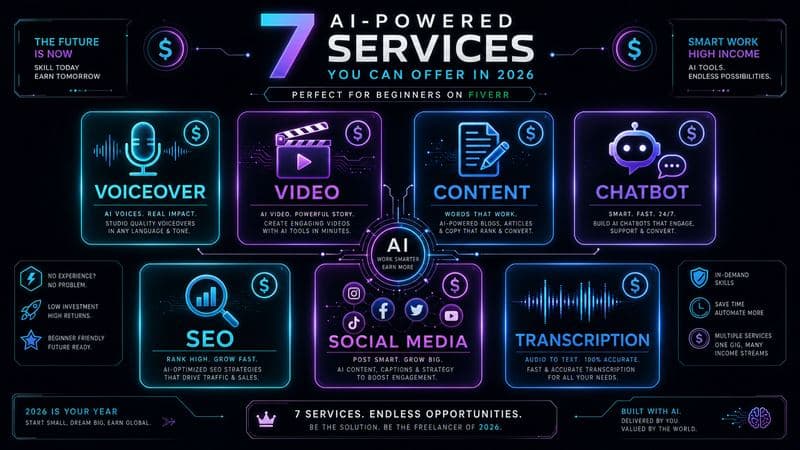
How to Make Money on Fiverr with AI Tools in 2026: 7 Gigs You Can Start This Week
Discover 7 real Fiverr gigs you can launch using free and low-cost AI tools in 2026 — no experience required. Real pricing data, step-by-step setup, and tools that actually work.