
How to Make Money Selling AI-Generated Videos in 2026 (No Camera Required)
You don't need a camera, acting skills, or video editing experience to sell videos online. Here's the exact beginner playbook for 2026.
One of the most common questions people have when they first discover AI video tools is: can I actually make money with this?
The answer is yes — but most beginners go about it the wrong way. They open a tool, generate a random video, and wonder why nobody pays for it. This guide skips that mistake. It covers the three platforms where AI-generated video sells reliably, the tools that produce work buyers actually want, and the pricing that makes sense for someone starting out.
No camera required. No on-screen presence. No previous video experience.
Why AI Video Side Hustles Work Now
A few things changed in 2026 that made this viable for beginners:
The quality gap closed. Tools like TryHolo can now generate realistic talking-head videos from a text script in under five minutes. The output looks like a real person presenting — because it uses a licensed AI avatar, not your face. Clients buying explainer videos, product demos, or training content often cannot tell the difference.
The market is bigger than most people realize. Businesses need constant video content: product explainer videos, social media shorts, training modules, onboarding videos, ad creatives. Most small businesses cannot afford a production agency ($2,000–$10,000 per video), but they can afford $50–$300 for a clean AI-produced clip.
Buyers do not care how it was made. A local dentist office needs a 60-second explainer about teeth whitening for their website. They care about clear script, professional voiceover, and clean visuals — not whether the video was shot on a camera or generated with AI. If the output meets the brief, it sells.
The Three Tools Worth Learning
You do not need to master every AI video platform. Pick one or two and get good at them.
TryHolo — Talking-Head Videos With AI Avatars
TryHolo is the fastest way to produce professional talking-head videos without appearing on camera yourself. You write a script, choose an avatar (there are dozens of professional-looking options), and the tool generates a video of that avatar delivering your script in a natural speaking style.
Best for:
- Business explainer videos
- Course intro segments
- Product walkthroughs
- LinkedIn video ads for clients
A beginner can produce a polished 90-second TryHolo video in under 30 minutes. Once you have a workflow, turnaround drops to 10–15 minutes for repeat clients.
Murf — Professional AI Voiceover
Murf gives you access to over 120 AI voices across multiple languages and styles. For video work, it is most useful when you are animating visuals (slides, screen recordings, stock footage) and need narration that sounds like a real presenter.
Murf integrates directly with Google Slides and works well alongside any video editor. If a client wants a slide-based explainer with professional narration — which is a very common request for training videos and SaaS demos — Murf lets you produce it without ever recording your own voice.
CapCut (Free) — AI-Enhanced Social Media Clips
For social media short-form content, CapCut's AI features (auto-captions, text-to-speech, AI-generated B-roll) are free and good enough to produce scroll-stopping clips. This is the entry-level play: charge less, produce faster, build reviews and a portfolio.
Where to Sell: Three Platforms That Actually Work
1. Fiverr — Volume at Low Prices
Fiverr is the fastest way to get your first paying client. Competition is real, but buyers specifically looking for AI video production on Fiverr expect AI tools — it is not a secret you need to hide.
Realistic entry pricing:
- 60-second explainer video (TryHolo + Murf): $45–$75
- 3 social media clips (CapCut AI, 30 seconds each): $35–$60
- Course intro video (1 minute, TryHolo): $55–$90
The goal in month 1 is 5 reviews, not high revenue. Once you have 5 four-star-or-better reviews, you can raise prices 30–50%.
2. LinkedIn Direct Outreach — Higher Prices, Slower Start
LinkedIn works if you are willing to spend 20–30 minutes per day sending personalized outreach to small business owners and coaches. The pitch is simple: "I noticed you do not have a video on your homepage — I can produce a 90-second professional explainer for $150."
Close rate is low (expect 1 yes per 30–50 messages), but each job pays more than Fiverr and repeat clients are common once the first video lands well.
This is a medium-term play. Build Fiverr reviews for 6–8 weeks first, then use those as social proof in LinkedIn outreach.
3. Etsy — Selling Video Templates and Presets (Passive)
A less obvious path is selling AI video templates, script templates, or branded intro/outro packs on Etsy. This is not active service work — it is a product that sells while you sleep.
Examples of what sells:
- Editable CapCut templates for real estate agents ($8–$15)
- Done-for-you social media video script packs ($12–$25)
- AI avatar intro video templates with custom branding placeholders ($20–$45)
Etsy digital product sales are lower ticket, but there is no delivery work after the initial upload. A well-optimized listing can generate $100–$400/month passively once it ranks in Etsy search.
A Realistic First-Month Plan
Here is what a beginner can accomplish in 30 days starting from zero:
Week 1 — Tool setup and sample work Sign up for TryHolo and Murf (both have free trials). Produce 3 sample videos: one business explainer, one social clip, one training intro. These become your portfolio. You do not need a website — a Google Drive folder link works fine for early clients.
Week 2 — Fiverr profile launch Create one gig: "I'll create a 60-second professional explainer video using AI avatars." Use your 3 sample videos as gig examples. Set your starting price at $45. Apply for 10 buyer requests per day.
Week 3 — First client, first revision, first review First clients often ask for revisions. Deliver them quickly and professionally — the review matters more than the hourly rate right now. Ask for a review at delivery.
Week 4 — Scale and refine With one or two reviews, raise prices $10–$20. Add a second gig (social media clips, or a voiceover-only package). Keep responding to buyer requests daily.
Month 1 realistic outcome: 3–5 clients, $150–$350 in revenue, 2–4 reviews. Not life-changing, but the foundation is set.
Common Mistakes to Avoid
Competing only on price. Dropping to $15–$20 attracts buyers who haggle, demand endless revisions, and leave mediocre reviews. Price for the client you want, not the cheapest client available.
Skipping the script. The script is 80% of a good explainer video. If you write a weak, generic script, even the best AI avatar cannot save it. Spend as much time on the script as on the video generation.
Not owning the rights. Read the terms of each platform you use. Most AI video tools for commercial use have plans that include commercial licensing — but the free tier often does not. TryHolo and Murf both have commercial licensing on their paid plans. Verify this before selling any video.
Trying to hide that it is AI-made. Clients who find out later feel misled. Clients who know upfront are often fine with it. Market honestly: "professional AI-produced video" is not a weakness, it is a value proposition (fast, affordable, consistent).
FAQ
Q: Do I need to buy expensive software? A: No. TryHolo and Murf both have free trials that cover your first client projects. CapCut is free. Your actual cost to start is $0 — you only upgrade to paid plans once you are earning from clients.
Q: How long does it take to produce one video? A: With TryHolo, a 60-second explainer takes 20–45 minutes from blank page to finished file. After 5–10 projects, most people are under 20 minutes. A 3-clip social media package with CapCut takes 60–90 minutes.
Q: Can I do this on a laptop without a GPU? A: Yes. All three tools in this guide run in the browser or on cloud servers. You do not need local GPU hardware for AI video generation. A normal laptop with decent internet is sufficient.
Q: What categories of businesses buy explainer videos most reliably? A: Real estate agents, local service businesses (dentists, chiropractors, HVAC), SaaS startups, online coaches, and e-commerce stores. These categories have both the budget and the ongoing need (they often come back for new videos quarterly).
Q: Is this saturated? A: Fiverr is competitive, but most sellers produce generic content with poor scripts. A seller who writes clear scripts, delivers on time, and communicates professionally will differentiate quickly. The total market for short-form business video content is far larger than the number of freelancers serving it.

Alex the Engineer
•Founder & AI ArchitectSenior software engineer turned AI Agency owner. I build massive, scalable AI workflows and share the exact blueprints, financial models, and code I use to generate automated revenue in 2026.
Related Articles
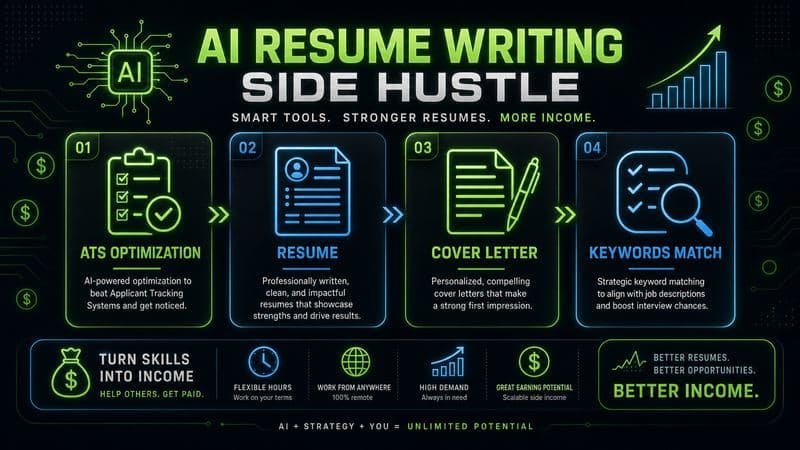
How to Start an AI-Assisted Resume Writing Side Hustle in 2026 (Beginner's Guide)
A step-by-step guide to using AI resume tools to offer a paid resume and cover letter writing service — what to charge, which tools to use, and how to find your first clients.
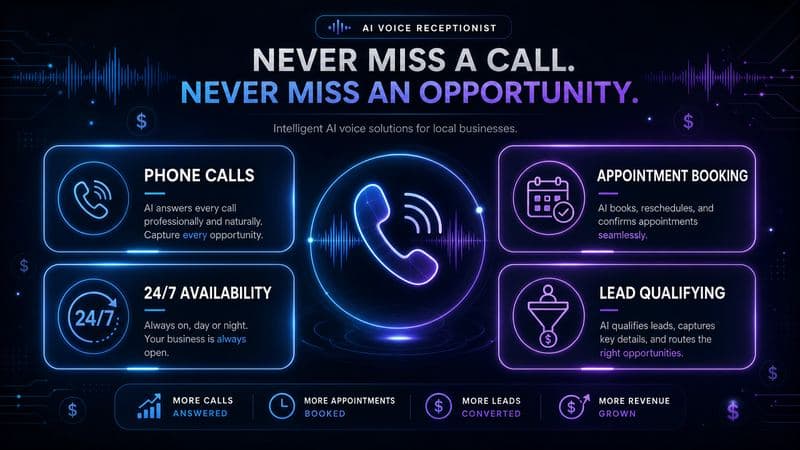
How to Build and Sell AI Voice Receptionists to Local Businesses in 2026
A beginner's guide to building AI voice agents that answer business phone calls — the tools to use, what to charge, and how to find your first client.
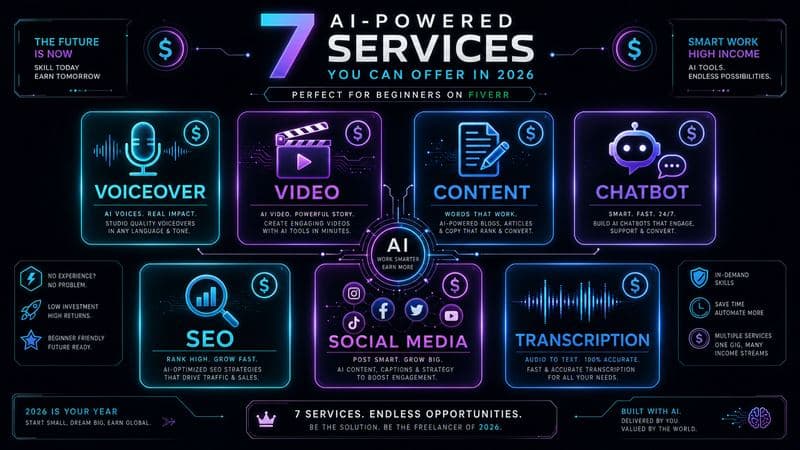
How to Make Money on Fiverr with AI Tools in 2026: 7 Gigs You Can Start This Week
Discover 7 real Fiverr gigs you can launch using free and low-cost AI tools in 2026 — no experience required. Real pricing data, step-by-step setup, and tools that actually work.