
Custom ChatGPT Builder Guide 2026: Build and Monetize
Learn how to use a custom ChatGPT builder to create profitable AI agents. Compare top tools, find high-ROI niches, and launch your no-code AI business.
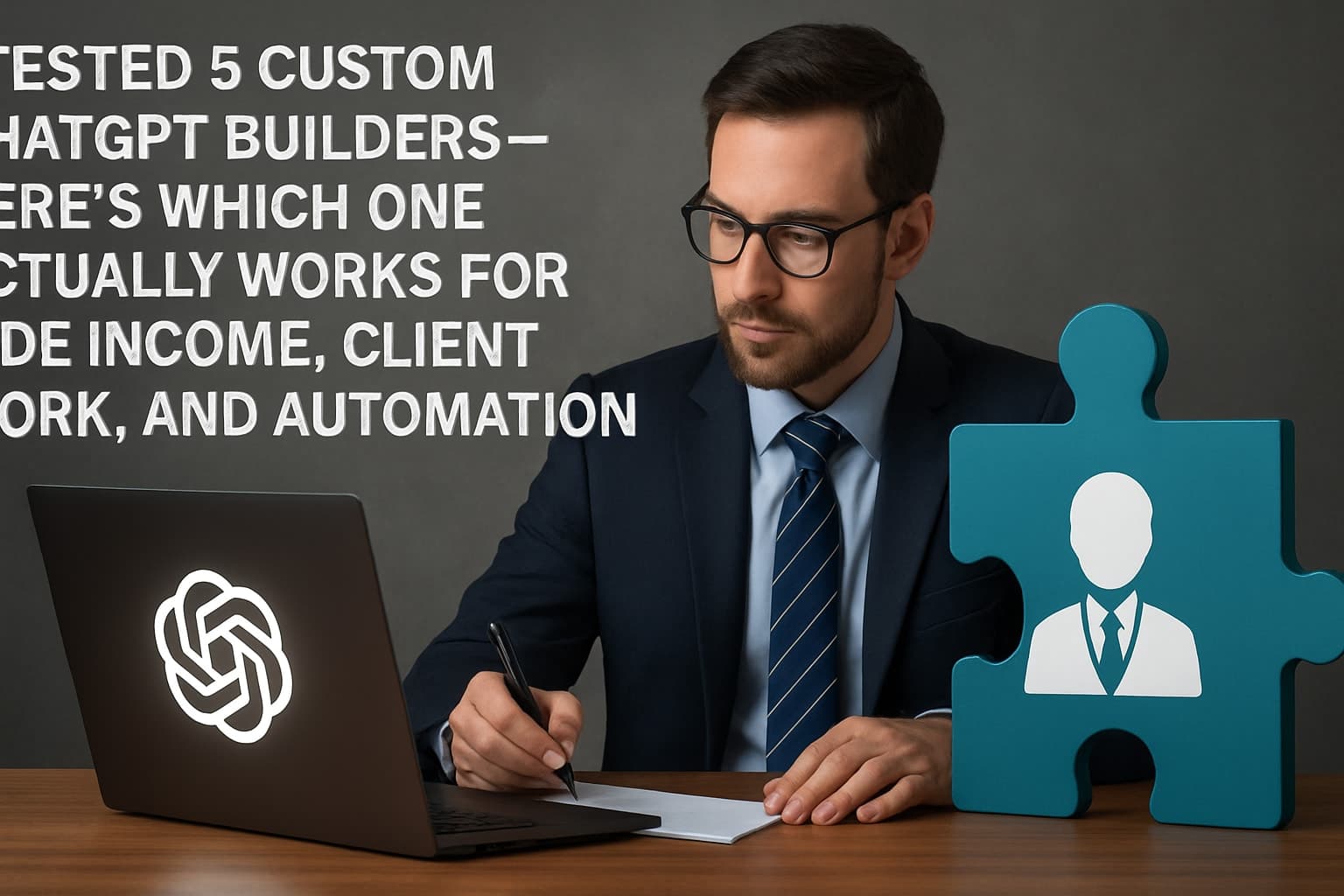
A custom ChatGPT builder allows you to create specialized AI assistants trained on your specific business data without writing code. These tools are currently being used by entrepreneurs to automate customer support, generate qualified leads, and build recurring revenue through "Chatbot-as-a-Service" models. This guide covers how to select the right platform and deploy your first profitable bot.
Why Custom AI Agents are Profitable for Entrepreneurs
Businesses are moving away from generic AI toward specialized agents that understand their specific products and workflows. While standard AI models often hallucinate or provide vague answers, a bot built with a dedicated builder stays within the boundaries of the data you provide. This precision is what makes the technology sellable to small business owners who need reliable automation.
The primary value proposition is cost reduction. For example, a support bot can handle up to 80% of repetitive inquiries, potentially saving a small e-commerce business thousands of dollars in manual labor costs annually. As a builder, you aren't just selling a "chatbot"; you are selling a solution that recovers time and reduces overhead.
Furthermore, the barrier to entry has vanished. Modern platforms offer drag-and-drop interfaces that handle the complex backend work of vector databases and embedding. This allows non-technical founders to build sophisticated products that previously required a team of developers.
5 High-ROI Use Cases for Custom Chatbots
Identifying a specific problem is the first step toward monetization. Instead of building a general assistant, focus on these high-demand niches where businesses are actively spending money on automation.
- Customer Support Automation: These bots index your technical documentation and FAQs to provide instant answers. They reduce ticket volume and ensure 24/7 availability.
- Lead Qualification: Use a bot to engage website visitors, ask pre-screening questions, and pass "hot" leads directly to a CRM. This replaces static forms which often have lower conversion rates.
- Internal Knowledge Bases: Large teams often struggle to find information in dense handbooks. A custom agent acts as an internal search engine for employees, answering questions about company policy or project specs instantly.
- E-commerce Product Recommendations: By connecting your store's catalog, the bot can act as a personal shopper, suggesting products based on user preferences and inventory levels.
- Online Course Assistants: Educators use AI to support students within private communities, answering questions about course material based on transcriptions of video lessons.
For more ways to earn with these tools, see our guide on how to earn money with ChatGPT.
Top Custom ChatGPT Builders Compared (2026)
Choosing the right platform depends on whether you are building for internal use or for clients. After testing the leading options, CustomGPT.ai remains the strongest choice for those prioritizing data security and ease of deployment.
CustomGPT.ai
This platform is designed for business-grade reliability. It features "anti-hallucination" technology, ensuring the bot only answers based on the uploaded documents.
- Best For: Agencies and B2B service providers.
- Key Feature: CustomGPT indexes your docs in under 60 seconds, making it one of the fastest deployment tools available.
- Affiliate Link: Try CustomGPT.ai for your business
OpenAI GPTs
OpenAI’s native builder is excellent for individual use or small-scale internal testing.
- Pros: Included with ChatGPT Plus; very easy to set up.
- Cons: Harder to embed on third-party websites and lacks the robust permissioning required for client-facing work.
Alternatives for Developers
If you require deep API access and custom UI control, platforms like Voiceflow or Botpress provide more granular control over conversation logic, though they have a steeper learning curve compared to no-code builders.
How to Build and Deploy Your First AI Agent
The process of creating a custom bot has been streamlined into four major phases. You can typically go from a blank project to a live widget in less than an hour.
Step 1: Data Preparation
The quality of your bot depends entirely on the data you feed it. Gather your PDFs, Docx files, or website URLs. Ensure the information is clean and up-to-date. Most builders allow you to simply "crawl" a URL to ingest all public-facing information automatically.
Step 2: Configuring Instructions (The System Prompt)
This is where you define the bot's persona. You must tell it who it is (e.g., "You are a senior support specialist for an e-commerce brand") and how it should behave. Explicitly state that it should only answer questions based on the provided data and should refer users to a human for anything outside its scope.
Step 3: Integration and Embedding
Once the bot is trained, you need to put it where the users are. Most platforms provide a single line of JavaScript code that you can paste into the header of any website. This creates the familiar chat bubble in the bottom corner of the screen. You can also connect these bots to Slack, WhatsApp, or Discord using tools like Zapier.
Step 4: Testing and Optimization
Monitor the initial conversations to see where the bot struggles. Most professional builders provide a "Citation" feature, showing exactly which document the AI used to generate its answer. If the bot gives a wrong answer, you don't rewrite code; you simply update the source document.
Check out our list of the best AI tools for entrepreneurs to find complementary software for your AI agency.
Monetization Strategies: Earning with AI Agents
There are three primary ways to turn your knowledge of these builders into a consistent income stream.
The Setup Fee Model: Charge clients a one-time fee to build and "train" their bot. Prices for this typically range from $500 to $2,500 depending on the volume of data and the complexity of the integrations.
The Monthly Retainer Model: This is the most sustainable approach. Charge a monthly fee (e.g., $100–$300/month) for hosting, performance monitoring, and data updates. Businesses are happy to pay this because it is significantly cheaper than hiring a part-time support agent.
The Performance Model: For lead generation bots, you can charge based on the number of qualified leads the bot captures. This aligns your incentives with the client’s and can be the most lucrative for high-traffic sites.
To learn more about setting up these systems, read about AI hustles that require no coding.
Frequently Asked Questions
What is a custom ChatGPT builder?
It is a no-code platform that allows you to create a version of ChatGPT trained on your own private data, such as company PDFs, websites, or databases, rather than just the general internet.
How much does it cost to build a custom AI bot?
Platform costs typically start around $49 per month for professional tools like CustomGPT.ai. For personal use, OpenAI’s GPT builder is included in the $20/month ChatGPT Plus subscription.
Do I need to know how to code to build an AI agent?
No. Modern builders use a visual interface or simple document uploads to train the model. Knowledge of "prompt engineering" is more important than knowing a programming language.
Is my data safe when using these builders?
Professional builders like CustomGPT.ai offer privacy features that ensure your data is not used to train the global public models. Always check the "Data Processing Agreement" of the tool you choose.
Can I put my custom bot on my website?
Yes. Most builders provide an "embed code" or a widget that works on platforms like WordPress, Shopify, and Webflow by simply pasting a snippet of code.
Where can I find the best tools for this?
According to recent industry analysis by Gartner, the shift toward enterprise-ready generative AI is accelerating. Reliable tools like CustomGPT.ai are essential for meeting this demand.
Get the Blueprint: Want to launch a profitable AI business from scratch? Grab The Ultimate AI Toolkit ($19) — a 200+ page framework featuring exact implementation steps for content automation, consulting, and AI agency building.

Alex the Engineer
•Founder & AI ArchitectSenior software engineer turned AI Agency owner. I build massive, scalable AI workflows and share the exact blueprints, financial models, and code I use to generate automated revenue in 2026.
Related Articles
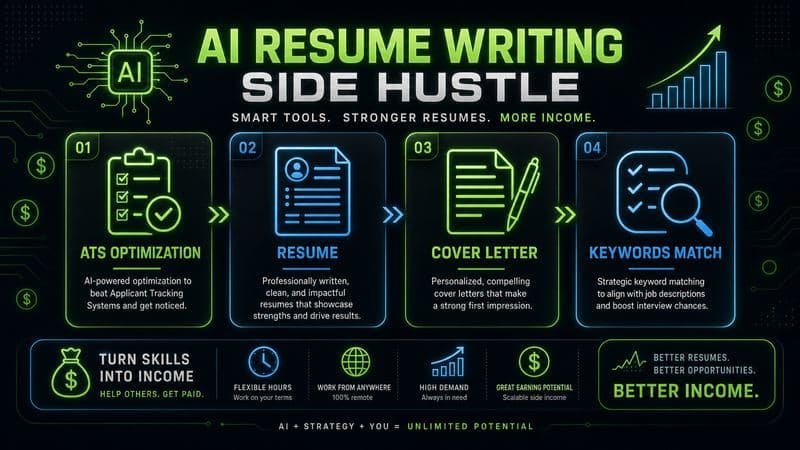
How to Start an AI-Assisted Resume Writing Side Hustle in 2026 (Beginner's Guide)
A step-by-step guide to using AI resume tools to offer a paid resume and cover letter writing service — what to charge, which tools to use, and how to find your first clients.
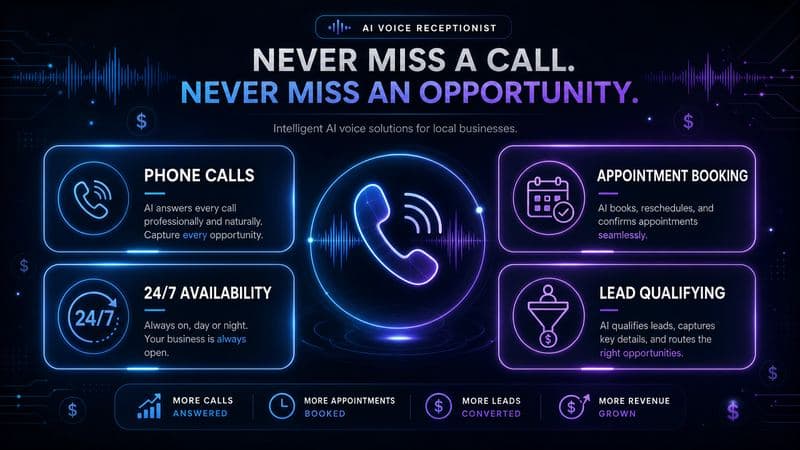
How to Build and Sell AI Voice Receptionists to Local Businesses in 2026
A beginner's guide to building AI voice agents that answer business phone calls — the tools to use, what to charge, and how to find your first client.
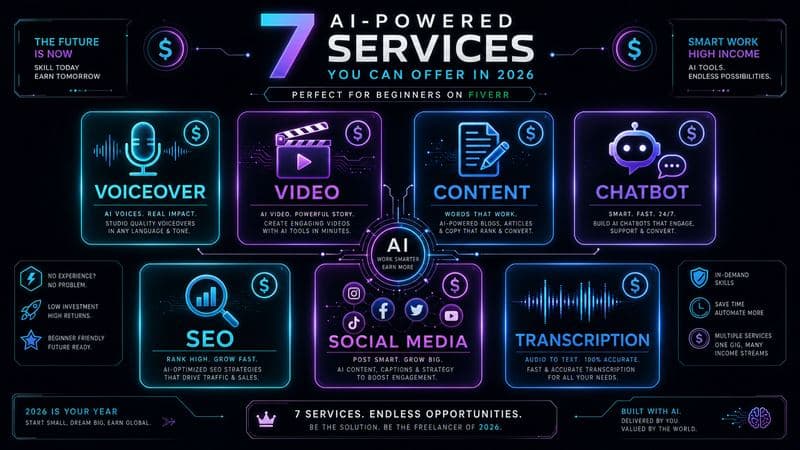
How to Make Money on Fiverr with AI Tools in 2026: 7 Gigs You Can Start This Week
Discover 7 real Fiverr gigs you can launch using free and low-cost AI tools in 2026 — no experience required. Real pricing data, step-by-step setup, and tools that actually work.