
9 Best Productivity Blogs to Optimize Your Work in 2026
Master your schedule with the 9 best productivity blogs. Get expert systems for habit formation, time management, and AI-driven workflows to earn more.
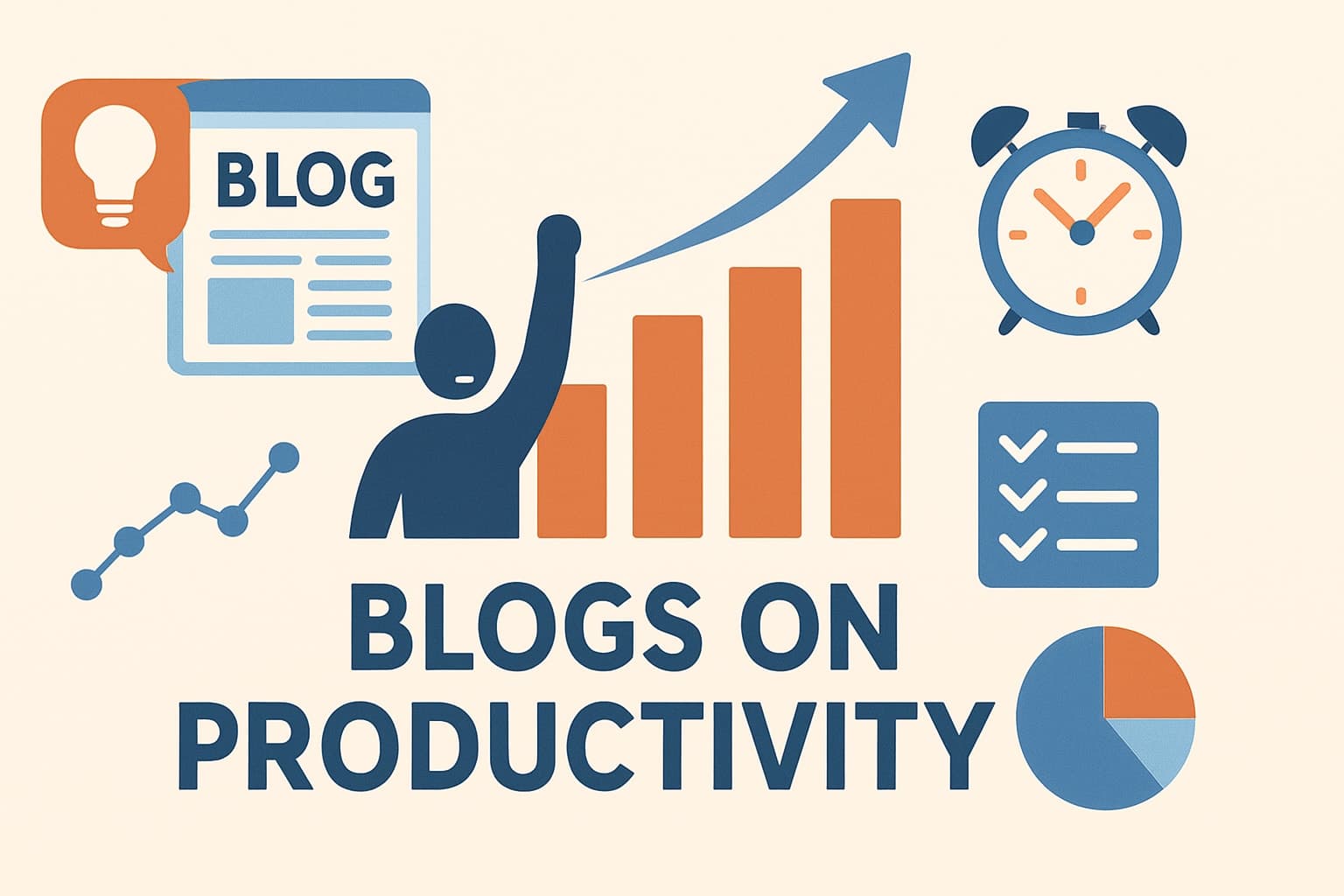
High-level output requires more than just "working harder" — it requires a system that manages your energy and focus. The right productivity blogs skip the motivation fluff and give you frameworks that actually change how you work.
This guide covers nine sites that have consistently produced practical, evidence-backed strategies for time management, habit formation, and focused work. Each one earns its spot for a different reason.
1. James Clear — Atomic Habits and the Science of Behavior Change
jamesclear.com is the site behind Atomic Habits, one of the best-selling productivity books of the last decade. Clear writes about the biology and psychology of behavior — not just what to do, but why your brain resists doing it.
What makes it useful: The 1% improvement framework. Instead of setting ambitious goals and failing, Clear teaches identity-based habits: "I am a writer" instead of "I want to write more." The shift sounds minor but changes how your brain prioritizes action.
Best articles to start with:
- The Habits Scorecard — a structured audit of your daily routines
- The 2-Minute Rule — making habits impossible to skip
- How Long Does It Actually Take to Form a New Habit? — evidence over motivation
Best for: Building consistent work habits for content creation, freelancing, or any income stream that requires daily output.
2. Farnam Street (fs.blog) — Mental Models for Better Decisions
fs.blog is run by Shane Parrish, a former intelligence analyst who turned his decision-making research into one of the most widely-read productivity sites online. Farnam Street focuses less on task management and more on thinking clearly — which turns out to be the bottleneck for most high-output work.
What makes it useful: The mental models library. Parrish has written detailed breakdowns of frameworks like First Principles Thinking, Inversion, and the Map vs. Territory problem. These aren't productivity hacks — they're structural improvements to how you reason about problems.
Best articles to start with:
- The Best Way to Learn Anything: The Feynman Technique
- Mental Models: The Best Way to Make Intelligent Decisions
- How to Think: The Skill You've Never Been Taught
Best for: Founders, marketers, and anyone building a business who needs to make better decisions under uncertainty.
3. Cal Newport — Deep Work and Digital Minimalism
calnewport.com is the blog of Georgetown professor Cal Newport, author of Deep Work and Digital Minimalism. Newport's core argument is that the ability to focus without distraction is the most valuable skill of the information economy — and most people have let it atrophy.
What makes it useful: Newport doesn't just tell you to "do deep work." He gives you specific scheduling systems — time blocking, fixed-schedule productivity, and seasonal planning — that treat focus as a resource to be managed rather than a character trait you either have or don't.
Best articles to start with:
- Deep Work: Rules for Focused Success in a Distracted World (overview)
- On Time Blocking
- The Time-Block Planner Method
Best for: Anyone whose income depends on high-concentration work: writing, coding, consulting, content strategy.
4. Ness Labs — Neuroscience-Based Efficiency
nesslabs.com, founded by Anne-Laure Le Cunff, bridges brain science and daily work habits. It's one of the few productivity sites that takes mental health and cognitive load seriously rather than treating burnout as a willpower failure.
What makes it useful: Ness Labs introduces metacognition as a productivity tool — thinking about how you think. The site covers topics like working memory, flow states, and the neurological basis of procrastination. Understanding why your brain behaves a certain way gives you more effective tools to work with it rather than against it.
Best articles to start with:
- The Science of Mind Wandering and Creativity
- How to Build a Second Brain
- Mindful Productivity: Work Better Without Burning Out
Best for: Knowledge workers and creative entrepreneurs who have tried standard productivity systems and found them unsustainable.
5. Asian Efficiency — Technical Workflows and the TEA Framework
asianefficiency.com takes a systems-engineering approach to personal productivity. The site is known for detailed, tool-specific guides and the TEA framework: Time, Energy, and Attention as the three resources you need to manage — not just time.
What makes it useful: The articles are unusually practical. Instead of abstract advice, you get step-by-step breakdowns of specific setups — OmniFocus configurations, Mac automation workflows, morning routine blueprints. The podcast goes even deeper on implementation.
Best articles to start with:
- The Ultimate Guide to Outsourcing Your Life
- OmniFocus 3 Setup Guide
- How to Do a Weekly Review in 30 Minutes
Best for: Tech-savvy professionals and automation enthusiasts who want to optimize every layer of their workflow.
6. Zen Habits — Simplicity as a Productivity Strategy
zenhabits.net, written by Leo Babauta, takes the opposite approach to most productivity sites: less is more. Where most systems add tools, schedules, and metrics, Zen Habits removes complexity. The core argument is that most productivity problems are really focus problems — and the solution is simplification, not more software.
What makes it useful: The writing is unusually calm in a genre full of high-intensity hacks. Babauta's guides on single-tasking, reducing commitments, and working with uncertainty are particularly useful for creative entrepreneurs who find traditional GTD systems stressful to maintain.
Best articles to start with:
- The Minimalist Productivity System
- The Art of Doing One Thing
- How to Stop Checking Email and Social Media Constantly
Best for: Freelancers and solopreneurs who feel overwhelmed by complex systems and want a sustainable, long-term approach.
7. RescueTime Blog — Data-Driven Work Insights
rescuetime.com/blog is the content arm of the RescueTime time-tracking app, and it's one of the few productivity sites that grounds advice in actual behavioral data. The team regularly publishes research-backed articles on work patterns drawn from millions of anonymized users.
What makes it useful: The data. Where most productivity blogs speculate about best practices, the RescueTime blog shows you what high-output people actually do — when they do their best work, how often they're interrupted, and which tools correlate with productivity vs. distraction.
Best articles to start with:
- When Is the Best Time of Day to Work? (According to Our Data)
- The Maker's Schedule vs. The Manager's Schedule
- How Much Time Do You Really Spend Distracted?
Best for: Anyone who wants evidence over anecdote when designing their work routine.
8. Doist Blog — Mastering Remote Collaboration
blog.doist.com is published by the team behind Todoist and Twist. Since Doist has been fully remote since 2007, the blog covers async work, distributed team communication, and task management at a depth most productivity sites can't match — they've actually lived this for almost two decades.
What makes it useful: The articles on async communication are the best on the internet. In an era where remote work is the norm for many side hustlers and freelancers, knowing how to structure communication without constant meetings is a serious competitive advantage.
Best articles to start with:
- Async Communication: The Real Reason Remote Workers Are More Productive
- The Todoist Ambition: Why We Work the Way We Do
- How to Build a Personal Productivity System That Actually Sticks
Best for: Remote workers, freelancers managing multiple clients, and anyone building a distributed side hustle.
9. Paul Graham Essays — Thinking About Work Differently
paulgraham.com/articles.html is not a traditional productivity blog, but Paul Graham's essays are some of the most influential writing on focused work and creative output ever published. Graham, the co-founder of Y Combinator, writes long-form pieces on topics like procrastination, ambition, and how to do work you care about.
What makes it useful: Graham writes about the psychology of high-quality work from the perspective of someone who has spent decades identifying what separates effective people from the rest. Essays like Maker's Schedule, Manager's Schedule and How to Do What You Love have genuinely changed how thousands of people structure their work.
Best essays to start with:
- Maker's Schedule, Manager's Schedule — one of the most cited essays on protecting deep work time
- Procrastination — the counterintuitive case for good procrastination
- The Top Idea in Your Mind — why you can only really work on one hard problem at a time
Best for: Entrepreneurs, engineers, and writers who want to think more clearly about what work is worth doing and how to protect time for it.
How to Actually Use These Blogs
Reading productivity content is easy. Applying it isn't. A few principles that help:
Pick one framework at a time. If you try to implement Clear's habit stacking, Newport's time blocking, and the TEA framework simultaneously, nothing sticks. Start with one concept, run it for 30 days, then evaluate.
Build a "reading capture" system. Use a read-later app (Pocket, Readwise, Instapaper) to collect articles, then set aside 20 minutes on Sunday to process them. Reading on impulse fragments your focus throughout the week.
Apply before you read more. The limiting factor isn't knowledge — it's implementation. Before you read another productivity article, write down the last insight you read and what specifically you did with it.
Frequently Asked Questions
Which productivity blog is best for beginners? James Clear's site is the best starting point. The writing is accessible, the concepts are actionable, and the habit framework translates immediately to any goal — whether you're building a freelance business or starting a YouTube channel.
Are these blogs free? Most publish their best content for free. Ness Labs has a paid membership tier, and Farnam Street charges for their premium newsletter. Everything listed in the "start with" sections above is free to access.
How often should I read productivity blogs? Once a week is enough. More than that and you're consuming instead of doing. The goal is to find one principle per week, apply it, and see what happens.
Do any of these blogs focus specifically on AI tools? Not directly — that's a different category. For AI-specific productivity tools, see the best AI productivity tools guide. The blogs above focus on the human side: focus, habits, decision-making, and workflow design.
What's the difference between productivity blogs and self-help content? The best productivity blogs (Farnam Street, Cal Newport, Ness Labs) are grounded in research and first-hand evidence. Self-help content often relies on motivation and broad generalizations. The test: does the advice give you a specific behavior to try, or does it just make you feel like change is possible?

Alex the Engineer
•Founder & AI ArchitectSenior software engineer turned AI Agency owner. I build massive, scalable AI workflows and share the exact blueprints, financial models, and code I use to generate automated revenue in 2026.
Related Articles
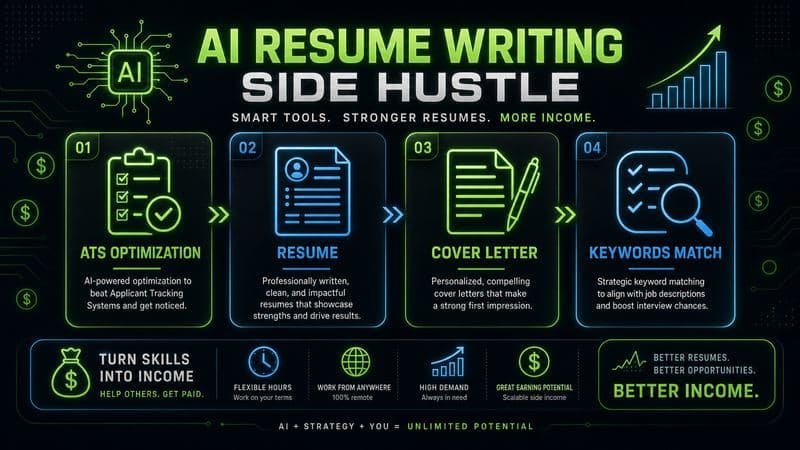
How to Start an AI-Assisted Resume Writing Side Hustle in 2026 (Beginner's Guide)
A step-by-step guide to using AI resume tools to offer a paid resume and cover letter writing service — what to charge, which tools to use, and how to find your first clients.
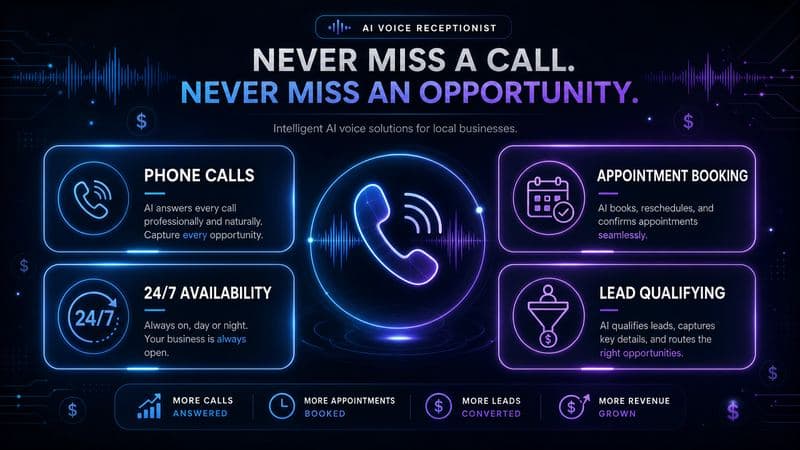
How to Build and Sell AI Voice Receptionists to Local Businesses in 2026
A beginner's guide to building AI voice agents that answer business phone calls — the tools to use, what to charge, and how to find your first client.
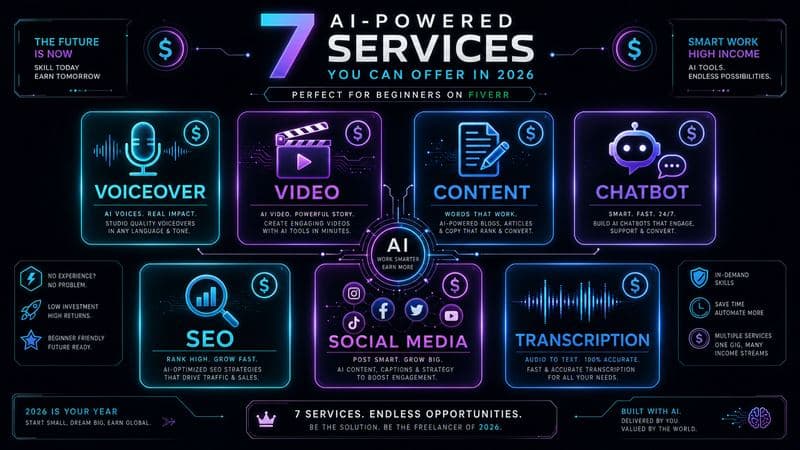
How to Make Money on Fiverr with AI Tools in 2026: 7 Gigs You Can Start This Week
Discover 7 real Fiverr gigs you can launch using free and low-cost AI tools in 2026 — no experience required. Real pricing data, step-by-step setup, and tools that actually work.