
9 Best Productivity Blogs to Follow in 2026
Explore the top productivity blogs for 2026 and learn how to start your own profitable site using AI tools and proven growth strategies.
Productivity blogs are one of the most profitable niches for new creators because they solve universal problems like time management and burnout. I used AI tools to build a small productivity site that reached $500 in monthly revenue within six months by focusing on high-intent search terms. This guide highlights the best industry examples and provides a blueprint for launching your own.
Why Demand for Productivity Content is Growing
The market for efficiency advice is expanding as more people transition to permanent remote work arrangements. According to data from Stanford University, work-from-home setups now account for over 25% of paid workdays in the US, creating a massive audience of self-managed professionals.
These workers look for systems to replace office structures. Successful blogs in this space provide the frameworks, digital tools, and psychological insights needed to perform without a traditional manager. Additionally, the rise of the "solopreneur" means more individuals are looking to maximize their output to increase personal income.
Top 9 Productivity Blogs to Watch in 2026
Studying established creators is the fastest way to understand what readers actually value. These nine sites represent the gold standard in content quality and monetization.
1. Ali Abdaal
Ali Abdaal has transitioned from a medical doctor to a leading voice in "feel-good productivity." His site focuses on the intersection of efficiency and happiness, moving away from the "hustle culture" tropes of previous years. He monetizes through a massive newsletter, high-ticket courses, and book sales.
2. James Clear
The author of Atomic Habits maintains one of the cleanest, most high-traffic blogs in the world. His focus is strictly on behavioral science and habit formation. He proves that you don't need fancy web design to build an audience; you just need clear, research-backed frameworks that people can apply immediately.
3. Zen Habits
Leo Babauta’s blog is the antithesis of the tech-heavy productivity world. He advocates for minimalism and mindfulness. This site is a perfect example of how a specific, unique philosophy can build a loyal following without following every SEO trend.
4. Cal Newport
Cal Newport focuses on "Deep Work"—the ability to focus without distraction on cognitively demanding tasks. His blog is essential for knowledge workers who want to escape the trap of constant emails and social media pings.
5. Thomas Frank
Thomas Frank built College Info Geek into one of the most recognizable productivity brands in the creator economy. What makes his content stand out is the systems-first approach: he documents exactly which tools and workflows he uses rather than just describing principles. His Notion system templates alone have been downloaded by over 200,000 readers, making him one of the few productivity bloggers with a measurable product footprint alongside his content.
6. The Productivityist
Founded by Mike Vardy, this site focuses on "Time Crafting." It is particularly useful for freelancers who need to juggle multiple clients and projects without losing their sanity.
7. Asian Efficiency
This site excels at tactical advice. If you want to know which app is best for task management or how to set up a calendar for a family of four, this is the resource. They focus heavily on the "tea" framework: Time, Energy, and Attention.
8. Matt Ragland
Matt focuses on the "analog" side of productivity, such as bullet journaling and intentional planning. His blog is a great example of how to use YouTube and blogging together to sell digital templates and planners on Gumroad.
9. Laura Vanderkam
Vanderkam uses time-tracking data to debunk myths about how busy we actually are. Her blog is highly data-driven and offers a refreshing look at how to find more time for what matters by auditing your current schedule.
Profitable Productivity Niches for New Bloggers
You cannot compete with giants like James Clear by being a generalist. To succeed in 2026, you must pick a specific sub-niche where your advice solves
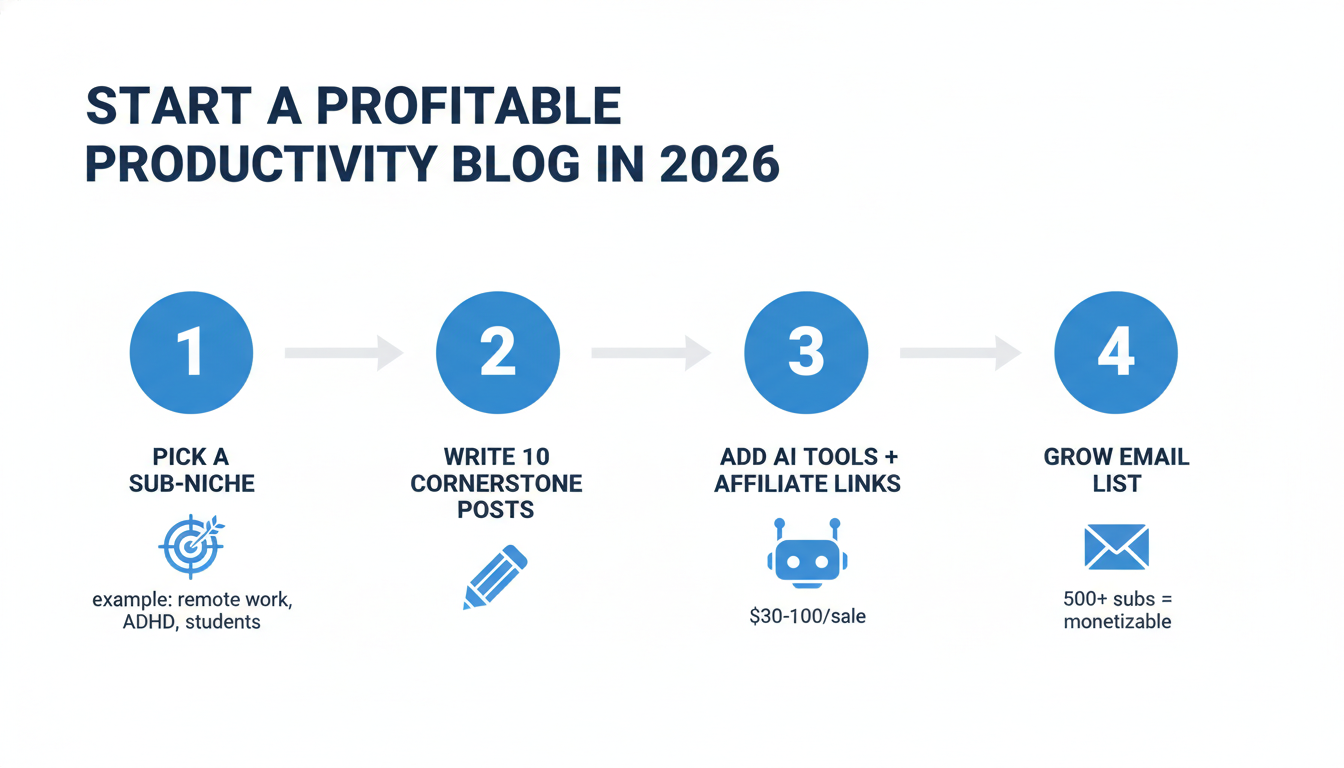
a painful problem.
- AI Workflow Automation: Teaching professionals how to use AI agents to handle admin tasks.
- Neurodivergent Productivity: Tailoring time management strategies for ADHD or autistic professionals.
- Executive Function for Students: Helping the next generation manage digital distractions.
- Minimalist Tech Stacks: Helping people reduce the number of apps they use to stay focused.
By narrowing your focus, you become the "go-to" expert for that specific group, making it much easier to rank on Google.
Building Your Productivity Tech Stack
You don't need a large budget to start. A professional setup can be maintained for under $100 a month, especially if you prioritize tools that handle multiple tasks.
For content production, CustomGPT.ai is a significant asset. It allows you to upload your own research documents or previous articles so the AI learns your specific "voice" and "frameworks." This ensures your content doesn't sound like a generic chatbot.
If you want to expand into audio or video—which is highly recommended for engagement—use Murf.ai. It can turn your written blog posts into professional-sounding podcast episodes or voiceovers for YouTube shorts in minutes.
How to Monetize Your Productivity Content
Most beginners think they need millions of visitors to make money, but that isn't true for the productivity niche. High-intent traffic is more valuable than raw volume.
- Affiliate Marketing: Recommend the tools you actually use. When you show someone how a specific app saved you five hours a week, they are likely to use your link to sign up.
- Digital Templates: Sell Notion dashboards, Google Sheets trackers, or printable planners. These have zero fulfillment costs.
- Specialized Coaching: Once you have established authority, you can charge for one-on-one audits of someone's workflow.
- Paid Newsletters: Platforms like Substack allow you to charge a monthly fee for "deep dive" reports or exclusive templates.
For more ideas on generating revenue, see our guide on Passive AI Income Tools.
SEO Strategies for Productivity Sites
Ranking for "how to be productive" is nearly impossible for a new site. Instead, target "long-tail" keywords that indicate a specific problem.
Instead of targeting "Time Management," try "Time management for remote software engineers." These specific phrases have lower competition and higher conversion rates. Additionally, ensure you are linking between your posts. For example, if you mention avoiding common pitfalls, link to our article on Beginner Blogger Mistakes to Avoid.
Focus on providing "Primary Research." This means sharing your own experiments. If you tried the Pomodoro technique for 30 days, share the data. Google rewards original, experience-based content over summarized information.
Frequently Asked Questions
What is the most profitable productivity niche?
AI-powered productivity and automation are currently the highest-earning niches. Businesses and solopreneurs are willing to pay for content that helps them implement time-saving tech, and these topics often have high-paying affiliate programs for software.
How much do productivity bloggers make?
A beginner can realistically earn $200–$500 per month within 6-12 months through affiliate marketing and ads. Established creators with digital products or coaching services often earn $10,000+ per month by serving a dedicated audience.
Do I need to be an expert to start?
No. Many successful bloggers start as "students" of the topic. By documenting your journey to becoming more productive and sharing what works for you, you build trust and relatability with your audience.
Is blogging still viable in 2026?
Yes, but the format has changed. Success now requires a multi-channel approach, combining long-form blog posts for SEO with short-form video or audio to build a community. Quality and original perspective are more important than post frequency.
How often should I publish?
Aim for one high-quality, 1,500-word article per week. Consistency is more important for search engine rankings than bulk publishing. Use AI to help with research and outlining to maintain this pace without burning out.

Alex the Engineer
•Founder & AI ArchitectSenior software engineer turned AI Agency owner. I build massive, scalable AI workflows and share the exact blueprints, financial models, and code I use to generate automated revenue in 2026.
Related Articles
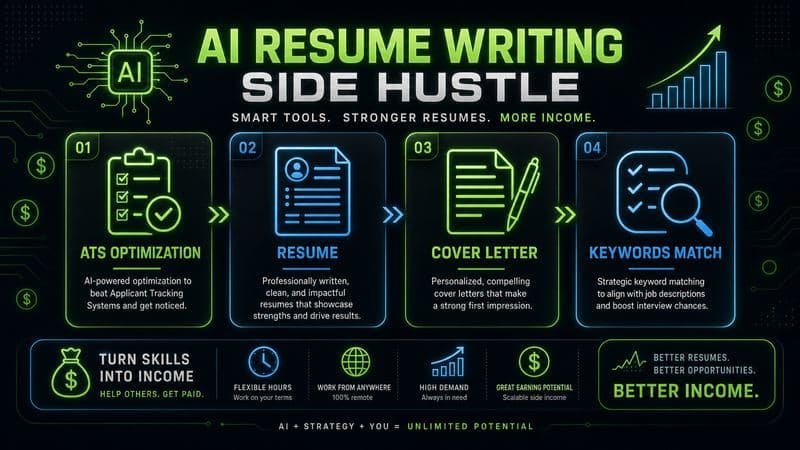
How to Start an AI-Assisted Resume Writing Side Hustle in 2026 (Beginner's Guide)
A step-by-step guide to using AI resume tools to offer a paid resume and cover letter writing service — what to charge, which tools to use, and how to find your first clients.

How to Build and Sell AI Voice Receptionists to Local Businesses in 2026
A beginner's guide to building AI voice agents that answer business phone calls — the tools to use, what to charge, and how to find your first client.
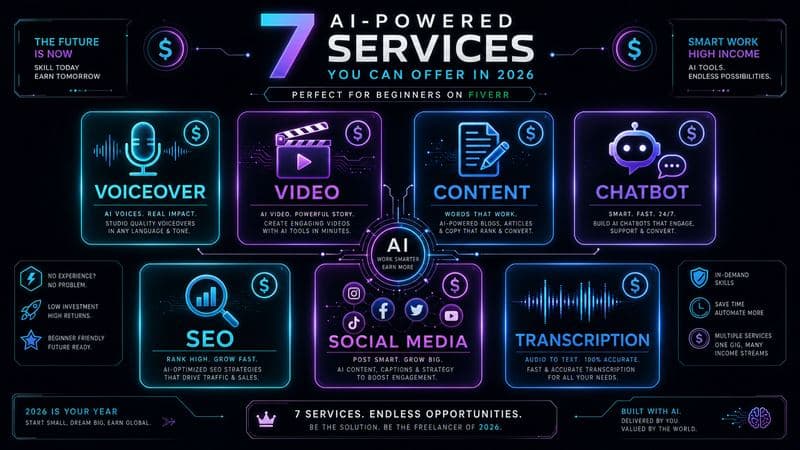
How to Make Money on Fiverr with AI Tools in 2026: 7 Gigs You Can Start This Week
Discover 7 real Fiverr gigs you can launch using free and low-cost AI tools in 2026 — no experience required. Real pricing data, step-by-step setup, and tools that actually work.