
Microsoft and OpenAI Are No Longer Exclusive Partners: What It Means for You
Microsoft ended its exclusive deal with OpenAI in April 2026. Here's what changed, what stayed the same, and what it means for ChatGPT users and AI beginners.
If you've been following AI news, you've probably seen headlines about Microsoft and OpenAI "ending their deal." That sounds alarming — especially if you're someone who uses ChatGPT, Copilot, or other AI tools in your daily work.
The short version: nothing breaks, nobody's "losing," and AI tools aren't going away. But something significant did change in how the two biggest players in AI work together — and it will affect the AI tools market for years to come.
Here's what happened, explained for real people rather than financial analysts.
The Original Deal (2019–2026)
Back in 2019, OpenAI was a promising AI research lab that needed massive computing resources to train large language models. Microsoft saw an opportunity and invested $1 billion, followed by additional investments that eventually totalled roughly $13 billion.
In exchange, Microsoft got:
- Exclusive rights to OpenAI's most advanced AI models
- The ability to embed OpenAI technology into its own products (Word, Excel, Teams, Copilot)
- Priority cloud hosting rights — OpenAI would run everything on Azure
This is why ChatGPT runs on Microsoft Azure infrastructure. It's why Microsoft Copilot (across Windows, Office 365, GitHub) is powered by the same underlying models as ChatGPT. The two companies were, in practice, deeply intertwined.
For a few years, this worked perfectly. OpenAI got the computing power to build GPT-4, GPT-5, and their successors. Microsoft got to build Copilot into every product it sells to 1.5 billion Windows users.
What Changed in April 2026
On April 27, 2026, both companies announced a renegotiated deal with several key changes:
1. The exclusivity ended. Microsoft's license to OpenAI's intellectual property is now non-exclusive. This means OpenAI can now offer its models to Amazon, Google Cloud, and any other cloud provider — something it couldn't do before.
2. The revenue share is capped. Previously, Microsoft received an uncapped percentage of OpenAI's revenue. Under the new deal, there's a cap on how much Microsoft collects. As OpenAI grows toward a $100 billion+ business, this protects OpenAI's margins significantly.
3. Microsoft keeps a 27% stake in OpenAI. This didn't change. Microsoft still owns a major chunk of OpenAI. They're still financial partners — just not exclusive technology partners.
4. OpenAI stays on Azure... mostly. Microsoft remains OpenAI's "primary cloud provider," but OpenAI can now use other providers when Microsoft can't meet its infrastructure needs. In practice, this gives OpenAI flexibility it didn't have before.
Why Did They Make This Change?
For OpenAI: The exclusivity clause was becoming a business problem. Amazon and other companies wanted to build products using OpenAI models, but Microsoft's exclusivity blocked those deals. As OpenAI attempts a transition from non-profit to a $150+ billion commercial company, locking out potential cloud and enterprise customers was limiting its growth.
For Microsoft: Dropping exclusivity removes a major antitrust headache. Regulators in the UK, EU, and US have been scrutinizing whether Microsoft's OpenAI deal gives it an unfair advantage in enterprise software. By making the license non-exclusive, Microsoft looks less like it "owns" AI and more like a strategic investor.
For the industry: Amazon, Google, and others can now negotiate directly with OpenAI to power their products. Expect Amazon Alexa, Google Workspace, and dozens of enterprise tools to start integrating OpenAI models more aggressively.
What This Means for ChatGPT Users
If you use ChatGPT day-to-day, here's the plain English version:
Nothing changes about ChatGPT itself. Your account, your chats, your GPT Plus subscription — all of it works exactly as before. OpenAI still builds and runs ChatGPT. Microsoft doesn't control what OpenAI ships.
Prices might actually drop. When OpenAI can work with multiple cloud providers instead of just Azure, it gains negotiating leverage on compute costs. Cheaper compute = more room to lower prices or increase capabilities. This is good for users.
More AI tools will get smarter. Amazon, Apple, and others can now license GPT-5.4 or future OpenAI models for their own products. That Alexa interaction you keep complaining about? It might start using actual cutting-edge AI. Same story for enterprise tools across healthcare, finance, and legal.
Microsoft Copilot keeps working. Microsoft negotiated a license that runs through 2032. So Word, Excel, Teams, GitHub Copilot — all of it stays powered by OpenAI technology for at least six more years.
What This Means for Businesses Using AI Tools
If your business uses AI tools, this restructuring matters for a few reasons:
More competition, better tools. When OpenAI's models are available across multiple platforms, the companies building AI-powered software (your CRM, your email marketing tool, your customer support platform) will have more choices. More competition among providers drives faster improvement and lower prices.
Enterprise pricing will shift. Right now, many enterprise AI solutions are priced high partly because the underlying OpenAI models only run on expensive Azure infrastructure. As OpenAI gains compute flexibility, expect enterprise pricing to get more competitive over the next 12–18 months.
New integration options. If you've been building custom AI workflows — think custom chatbots for your business, automated customer support, or internal knowledge bases — you'll have more flexibility in where and how you deploy them.
The Bigger Picture: AI Is Becoming Infrastructure
This deal restructuring signals something important: AI is maturing from "exciting experimental technology" to infrastructure.
When electricity was first commercialized, there were exclusive deals and territorial fights over which power company would serve which city. Eventually, it became commodity infrastructure — available from multiple providers, regulated, and standardized.
AI is going through a similar transition. The exclusivity period was necessary to fund the initial research. Now that the models are proven and revenue is flowing, the market is opening up.
This is actually good news for anyone who wants to build a business using AI tools. In early 2023, you basically had to use OpenAI or nothing. By 2026, you have GPT-5.4, Claude 4.6, Gemini 3.1, Grok 4.2, and dozens of open-source alternatives. The Microsoft-OpenAI restructuring accelerates that diversification further.
What About Microsoft's AI Strategy Now?
Microsoft isn't "losing" here. The company still has:
- A 27% stake in one of the most valuable AI companies ever created
- A 2032 license to integrate OpenAI's most capable models into all its products
- Azure infrastructure revenue from hosting OpenAI's growing workloads
- GitHub Copilot — the dominant AI coding tool used by 10+ million developers
- Its own AI research investments through Microsoft Research and Phi model family
The difference is that Microsoft can no longer claim it "owns" the best AI. It owns a very large piece of it, and it gets priority access — but so will Amazon and others.
For Microsoft, this is a clean swap: give up exclusivity, reduce antitrust risk, and keep everything that actually makes money.
Timeline: How We Got Here
| Year | Event |
|---|---|
| 2019 | Microsoft invests $1B in OpenAI; exclusive partnership begins |
| 2021 | GitHub Copilot launches, powered by OpenAI Codex |
| 2023 | Microsoft announces $13B total investment; ChatGPT integrated into Bing |
| 2023 | Microsoft 365 Copilot launches for enterprise |
| 2024 | EU, UK regulators open antitrust investigations into the partnership |
| 2025 | OpenAI announces for-profit conversion; renegotiations begin |
| Apr 2026 | New deal announced: non-exclusive license, capped revenue share, 27% stake maintained |
| 2032 | Microsoft's OpenAI license expires (renewal expected) |
What Happens Next
Here's what to watch over the next 6–12 months:
Amazon and OpenAI partnership. Reports suggest Amazon was one of the first companies OpenAI approached once exclusivity ended. Expect an AWS-OpenAI announcement that brings GPT-class models to Amazon Bedrock.
Lower enterprise pricing. As cloud competition for hosting OpenAI workloads increases, prices for API access and business plans should become more competitive.
More specialized models. With expanded cloud partnerships, OpenAI can train and deploy more specialized models (legal, medical, financial) that they couldn't justify running exclusively on Azure at OpenAI's previous scale.
Copilot continues as-is. Microsoft's Copilot products won't change for at least 6 years. If you use Copilot for Microsoft 365, GitHub, or Azure, your experience is unaffected.
FAQ
Does this mean ChatGPT is shutting down or changing? No. ChatGPT is an OpenAI product and remains completely unaffected. The deal change is about licensing and cloud hosting rights between two companies, not the consumer product you use.
Will my ChatGPT Plus subscription price change? Not immediately. Long-term, more infrastructure competition could eventually lead to lower prices, but there's no announced pricing change.
Can I still use Microsoft Copilot? Yes. Microsoft's license to use OpenAI technology extends through 2032. Copilot in Word, Excel, Teams, and GitHub works exactly as before.
What's the difference between OpenAI and Microsoft now? OpenAI is the AI research company that builds and sells ChatGPT, GPT-5.4, and the API. Microsoft is a technology company that invested in OpenAI and uses its models to power Copilot. They're still partners — just not exclusive ones.
Why didn't Microsoft fight to keep exclusivity? Antitrust risk. Regulators in the EU, UK, and US were scrutinizing the deal as a potential monopoly on enterprise AI. Dropping exclusivity removes that legal exposure while Microsoft still keeps its financial stake and technology license.
Is this good or bad for AI overall? Good. Exclusivity arrangements limit competition. Now that OpenAI can partner with multiple cloud providers, expect faster model deployment, lower API costs, and more AI-powered products across the market.
What about Gemini, Claude, and other AI competitors? This doesn't hurt them — if anything, it validates the multi-model AI market. Google, Anthropic, and others can still compete. OpenAI just became a more accessible option for companies that previously couldn't get access.
Does this affect open-source AI models like Llama? Indirectly. If OpenAI's APIs become cheaper and more widely available, there's less incentive to run open-source models locally for many businesses. But for individuals who want full local control, open-source alternatives remain as strong as ever — try Ampere.sh for affordable cloud GPU access to run your own models.

Alex the Engineer
•Founder & AI ArchitectSenior software engineer turned AI Agency owner. I build massive, scalable AI workflows and share the exact blueprints, financial models, and code I use to generate automated revenue in 2026.
Related Articles
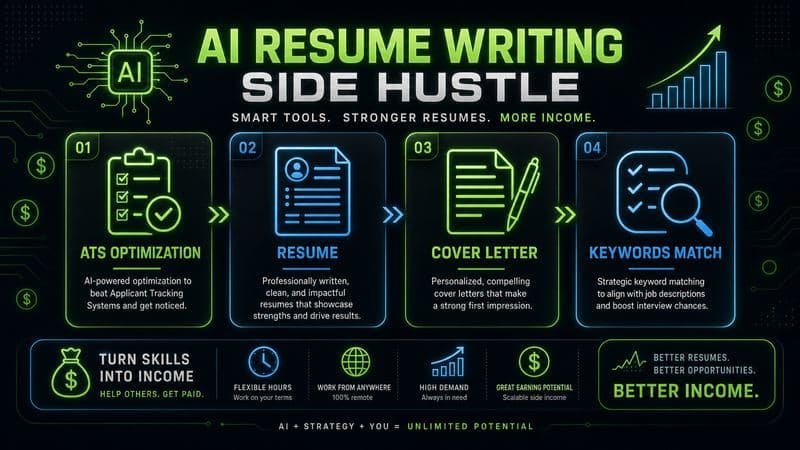
How to Start an AI-Assisted Resume Writing Side Hustle in 2026 (Beginner's Guide)
A step-by-step guide to using AI resume tools to offer a paid resume and cover letter writing service — what to charge, which tools to use, and how to find your first clients.
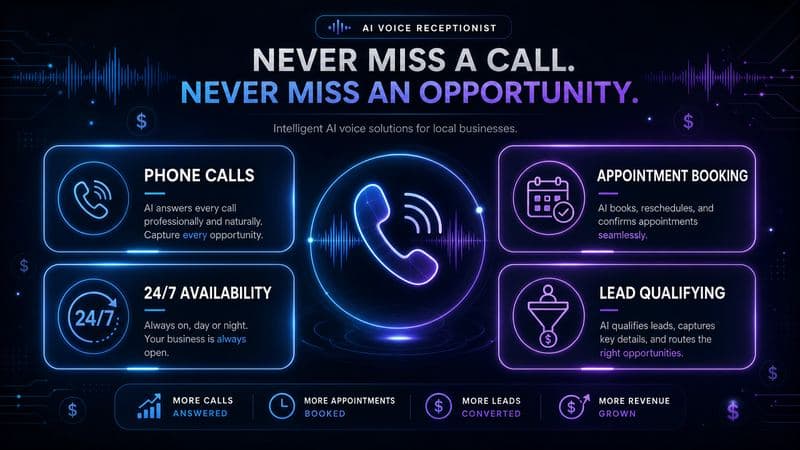
How to Build and Sell AI Voice Receptionists to Local Businesses in 2026
A beginner's guide to building AI voice agents that answer business phone calls — the tools to use, what to charge, and how to find your first client.
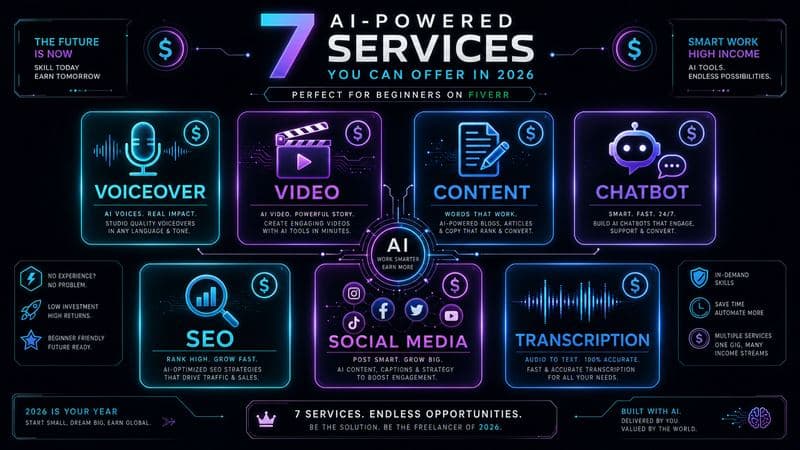
How to Make Money on Fiverr with AI Tools in 2026: 7 Gigs You Can Start This Week
Discover 7 real Fiverr gigs you can launch using free and low-cost AI tools in 2026 — no experience required. Real pricing data, step-by-step setup, and tools that actually work.