
10 Profitable Blogging Ideas to Grow Your Traffic in 2026
Discover 10 fresh blogging ideas to boost your traffic in 2026. Learn practical strategies for interactive content, AI experiments, and niche authority.
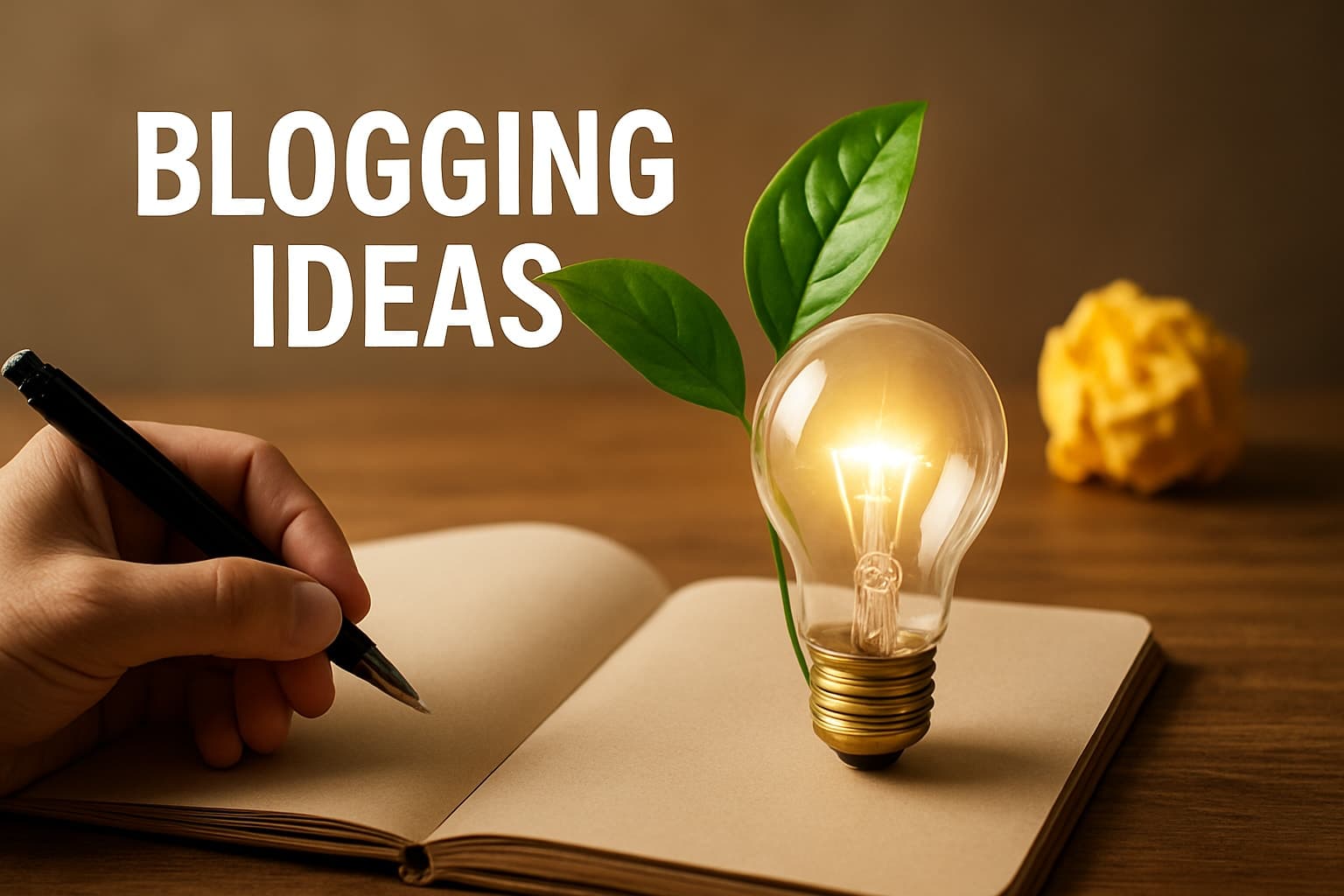
Most blogging advice tells you to "pick a niche and post consistently." That's fine as a baseline. But the blogs that actually grow in 2026 are doing something more specific: they're producing content that search algorithms and readers can't get anywhere else.
This guide covers ten content formats and strategies that are generating real traffic growth right now — with specific implementation steps for each.
1. Interactive Decision-Based Posts
Static articles can only take a reader so far. Interactive posts — where the content path changes based on reader input — dramatically increase time on page and direct return visits.
What this looks like: A personal finance blog that asks "What's your monthly income?" and shows different advice branches. A side hustle guide that asks "How many hours per week do you have?" and routes to appropriate recommendations. A tool comparison that asks "Are you a beginner or advanced user?" before presenting options.
How to implement: The simplest version uses anchor links and hidden sections (CSS show/hide). More sophisticated versions use JavaScript or a tool like Typeform embedded in the page. CustomGPT.ai can turn your existing content into a conversational AI that answers reader questions based on your blog's knowledge base.
Why it works: Interactive content generates 2x more conversions than static content on average, and the longer session time signals content quality to search algorithms.
2. Documented AI Experiments
"I tested X so you don't have to" is one of the most consistently high-performing content formats. And in 2026, the AI tools space is generating new experiments every week.
What this looks like: Run a real 30-day test with a specific AI tool and document the actual results — what worked, what failed, exact outputs, and whether the income claim held up. Compare five AI writing tools on the same exact prompt. Test whether Midjourney V6 can realistically replace a Fiverr designer for a small business.
Why it generates traffic: These posts earn backlinks and social shares because they provide primary research. Most blog content just summarizes what others have already said. Original experiments are genuinely new.
Implementation tip: Document the process as you go — screenshots, outputs, and honest assessments. The most engaging versions include failures and unexpected results. Readers don't trust posts that only show the wins.
3. Hyper-Niche Deep Dives
General "how to make money with AI" articles are competing with thousands of nearly identical posts. "How to make money with AI voiceovers in the Spanish-language e-learning market" is a completely different proposition.
What this looks like: Take a broad topic and drill down two levels. "AI side hustles" → "AI chatbot services" → "AI chatbot services for dental offices." The niche deep dive covers the specific audience's needs, pain points, objections, and workflow.
Why it works: Topical authority comes from depth, not breadth. A post that thoroughly covers a specific sub-niche signals to Google that your site is a genuine expert resource. These posts also attract higher-quality backlinks from sites targeting the same niche.
How to find niches: Reddit is the best research tool. Find a subreddit in your broad topic and look for questions that appear frequently but get incomplete answers. Those gaps are your content opportunities.
4. Proprietary Data and Survey Reports
Content backed by original data gets backlinked. There's no substitute for being the primary source.
What this looks like: Survey your email list or social audience on a specific question and publish the results. Run a monthly "state of" report with data from your own site analytics. Aggregate publicly available data from multiple sources into a single, citable resource.
Why it works: Journalists, bloggers, and researchers link to primary data sources. A survey of 200 people in your niche, properly formatted, can generate dozens of backlinks over time — each one improving your domain authority.
Low-budget implementation: Google Forms is free. A survey with 5–8 targeted questions sent to your email list or a relevant Reddit community can generate 100–200 responses. Turn those into a "State of [Your Niche] 2026" report.
5. Reverse Engineering Success Stories
Instead of telling readers what to do, show them exactly how someone already did it. Step-by-step teardowns of real outcomes — with specific tactics, tools, timelines, and revenue numbers — are consistently high-performing.
What this looks like: "How this Etsy seller made $3,000/month with AI-generated art (exact process)" or "We analyzed 50 faceless YouTube channels — here's what the successful ones have in common." These posts answer the question "but does it actually work?" with verifiable evidence.
Where to find stories: Reddit (people share income updates frequently in side hustle communities), YouTube comments, Twitter/X, and direct outreach to people who've shared results publicly.
Important rule: Only cover real, verifiable results. Don't fabricate numbers or attribute vague income claims to unnamed sources. The format only works when the information is specific and checkable.
6. The "Anti-Trend" Perspective
For every over-hyped tool or strategy, there's a counter-argument that attracts readers who are skeptical of the consensus. Contrarian takes get shared because they create cognitive dissonance.
What this looks like: "Why most AI YouTube channels fail (and what to do instead)" or "5 AI side hustles that looked good on paper but don't hold up" or "I tried the top-rated AI writing tool for 90 days — here's my honest assessment."
How to do it well: The anti-trend post needs to be backed by real evidence, not just contrarianism for attention. Your counter-position should be specific: not "X doesn't work" but "X doesn't work for beginners without [specific condition], and here's what to do instead."
Why it drives shares: People who tried something and it didn't work are looking for validation and alternatives. They share content that confirms their experience and gives them a new path.
7. AI Tool Comparison Posts
Search queries like "[Tool A] vs [Tool B]" and "best [tool category] for [use case]" represent some of the highest commercial intent traffic in the AI space. Someone searching this is close to a buying decision.
What this looks like: "Murf.ai vs ElevenLabs: which AI voice tool is worth paying for?" or "Top 5 AI writing tools for bloggers compared across real tasks."
How to do it well: Don't just compare feature lists — anyone can copy a pricing table. Test the tools on the same real task and show actual outputs. Readers can tell when a comparison was written without using the products.
Monetization angle: These posts convert well for affiliate links because they target purchase-intent queries. If you're an affiliate for any of the tools in the comparison, disclose it and still be honest — credibility drives long-term conversions better than biased recommendations.
8. Monthly Income and Traffic Transparency Reports
A subset of bloggers publishes regular updates on their actual earnings, traffic numbers, and what worked or didn't. These posts attract a loyal audience and build trust faster than any other format.
What this looks like: "April 2026 blog income report: $1,240 in affiliate revenue, what changed, and what's next." Published monthly or quarterly with consistent metrics.
Why it works: Authenticity is the one thing AI can't replicate at scale. Personal experience data — your actual numbers, your specific mistakes — is inherently unique. These posts also generate strong backlinks from "income report roundup" articles in the blogging community.
What to include: Traffic sources and totals, revenue breakdown by channel, one thing that worked well, one thing that didn't, and what you're testing next. Readers follow along for the story arc, not just the numbers.
9. Video + Written Hybrid Content
Embedding a short video in a blog post increases time on page and provides a second content format for the same topic. In 2026, readers who prefer video and readers who prefer text are both potential audiences — serving both doubles your reach.
What this looks like: A tutorial post that includes a 3–5 minute screen recording of the key steps, embedded at the beginning. Or a product review that includes a short video walkthrough alongside the written analysis.
How to produce video efficiently: Use Loom or OBS for screen recordings (free). Use Descript to remove filler words and silence automatically. Keep it under 5 minutes and focus on the one thing a reader can't understand from text alone (usually a visual process).
SEO benefit: YouTube is the second-largest search engine. Uploading the same video to YouTube with the post URL in the description creates a second discovery channel for every post.
10. Tool Roundup Posts With Genuine Curation
"Best AI tools for X" posts dominate search results, but most are low-effort affiliate lists with no actual testing or reasoning. Roundup posts that include genuine curation — explaining why each tool is included, what it doesn't do well, and who it's actually for — stand apart.
What this looks like: "Best AI tools for solopreneurs: tested over 3 months" with a methodology section explaining how tools were selected, a clear "skip this if..." note for each tool, and honest assessments of limitations.
What makes it work: Specificity. "Best for bloggers who want to produce 5+ posts per week without burning out" is more useful than "best AI writing tool." Readers are looking for the right tool for their specific situation, not the universally best tool.
Monetization: Roundup posts are the strongest format for affiliate links because commercial intent is built in. Use affiliate links where they exist, disclose them, and prioritize honest assessment — readers who trust your judgment convert at higher rates than readers who sense a sales pitch.
How to Validate Your Content Strategy
Before spending 4 hours writing any post, spend 15 minutes validating demand:
- Google the exact title — are there existing well-ranking posts? If yes, look at their word count and depth. Can you do better?
- Check Google Search Console — if you have any data, what are people already searching for on your site? Expand what's already working.
- Reddit check — search the main topic in relevant subreddits. If people are asking the question frequently, there's real demand.
- Keyword volume — use Google Keyword Planner (free) or Ahrefs to confirm at least 200+ monthly searches before investing in a long-form piece.
Frequently Asked Questions
How long should a blog post be in 2026? Long enough to cover the topic comprehensively — not a specific word count. For competitive commercial keywords, 1,800–3,000 words is typical for top-ranking posts. For niche deep dives and original research, length follows coverage depth.
How often should I publish? Consistent frequency matters more than raw volume. One post per week, published on a predictable schedule, is more effective than five posts in one week followed by nothing for a month. Build a content calendar and stick to it.
Do older publishing dates hurt rankings? Only if the content is outdated. Freshness matters for topics that change (AI tools, current events). For evergreen topics (habit formation, writing fundamentals), a well-maintained 2023 post can outrank a poorly written 2026 post.
What's the biggest mistake bloggers make with content strategy? Publishing too broadly too early. The sites that rank are the ones that have published 20+ posts on a single topic cluster, establishing topical authority. Spreading across 20 different topics with one post each doesn't build authority in any of them.
How do I get my first 100 backlinks? Original data is the most reliable method. Proprietary surveys, documented experiments, and comprehensive original research get linked to. Create one genuinely linkable asset — a data report, a free tool, or a definitive resource — and actively promote it to sites in your niche.

Alex the Engineer
•Founder & AI ArchitectSenior software engineer turned AI Agency owner. I build massive, scalable AI workflows and share the exact blueprints, financial models, and code I use to generate automated revenue in 2026.
Related Articles
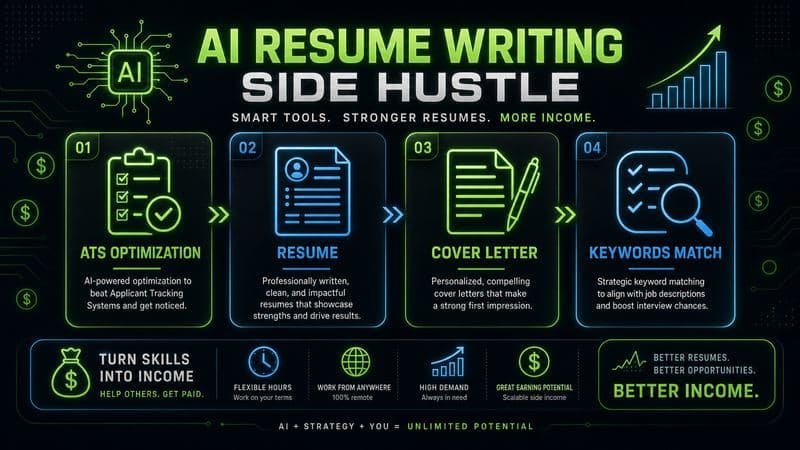
How to Start an AI-Assisted Resume Writing Side Hustle in 2026 (Beginner's Guide)
A step-by-step guide to using AI resume tools to offer a paid resume and cover letter writing service — what to charge, which tools to use, and how to find your first clients.
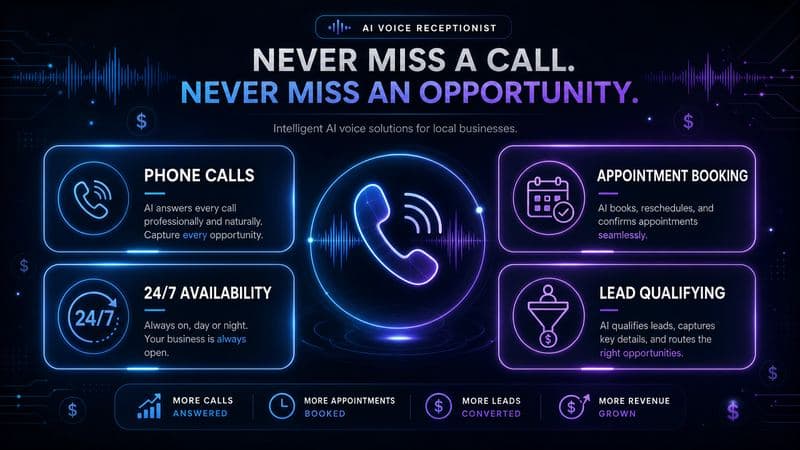
How to Build and Sell AI Voice Receptionists to Local Businesses in 2026
A beginner's guide to building AI voice agents that answer business phone calls — the tools to use, what to charge, and how to find your first client.
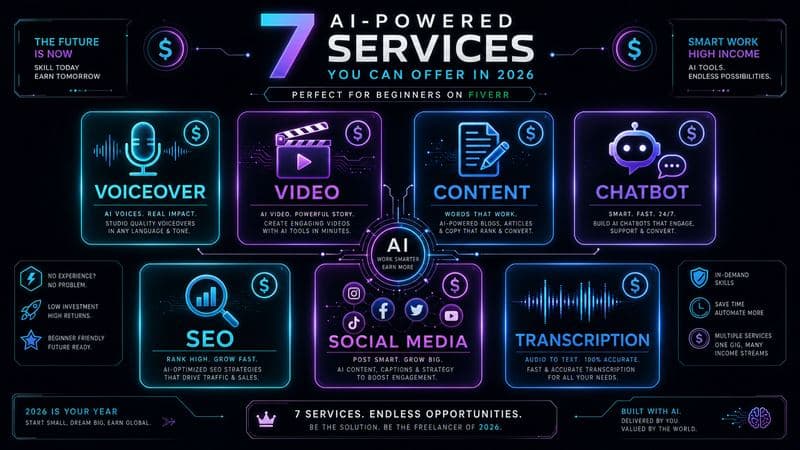
How to Make Money on Fiverr with AI Tools in 2026: 7 Gigs You Can Start This Week
Discover 7 real Fiverr gigs you can launch using free and low-cost AI tools in 2026 — no experience required. Real pricing data, step-by-step setup, and tools that actually work.